



Theodor Bilharz Research Institute Reinforces Confidence in Drinking Water through a scientific awareness seminar
As part of its leading scientific and societal mission, and its ongoing commitment to supporting public health issues and enhancing community awareness, Theodor Bilharz Research Institute continues to fulfill its national role as one of the most prestigious research and medical institutions in Egypt and the region. The Institute places particular emphasis on environmental and health-related issues, firmly believing that scientific research and institutional integration represent the cornerstone of supporting the state’s efforts toward sustainable development and protecting citizens’ health.
In line with this role, and under the patronage of Professor Dr. Ahmed Abdel Aziz, Director of Theodor Bilharz Research Institute and Chairman of the Board, the Community Service and Environmental Development Committee, chaired by Dr. Eman Sayed El-Wakeel, Assistant Professor at the Parasitology Department, organized a specialized scientific seminar entitled:
“Drinking Water Between Rumors and Scientific Facts: The Role of the Holding Company for Drinking Water in Ensuring Quality According to International Standards.”
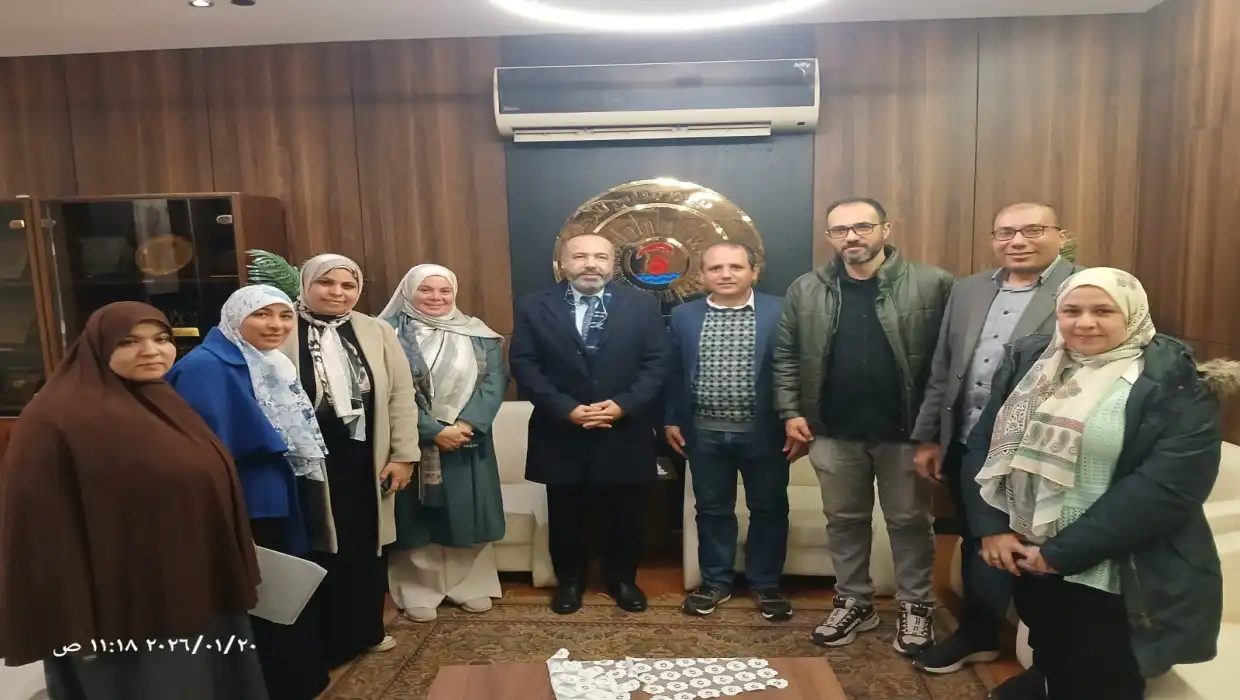
The seminar was held in cooperation with the Reference Laboratory for Drinking Water of the Holding Company for Drinking Water and Wastewater, reflecting an effective model of integration between research and service institutions.
The seminar aimed to correct widespread misconceptions regarding drinking water and to explain the scientific and regulatory foundations that ensure its safety and quality in accordance with the latest international standards. The program included a series of integrated scientific lectures delivered by a distinguished group of experts and specialists from the Reference Laboratory for Drinking Water.
The scientific program commenced with an introductory lecture by Dr. Lamiaa Ahmed Shawky Abdel Qader, Chemistry Doctor at the Reference Laboratory for Drinking Water, who highlighted the role of the reference laboratories within the Holding Company for Drinking Water and Wastewater. She emphasized their position as the first line of defense in the drinking water quality assurance system, and their role in conducting advanced analyses and accrediting results in accordance with international standards, thereby supporting regulatory systems and evidence-based decision-making.
The seminar then moved to a more applied phase, during which Dr. El-Sayed Eid Hegazy, Chemistry Doctor at the Reference Laboratory for Drinking Water, reviewed the journey of drinking water from its original source (the Nile River), through the various treatment stages, until it reaches the consumer. He clarified the efforts exerted at each stage to ensure compliance with standard specifications, emphasizing the importance of continuous monitoring and precise oversight in maintaining water quality.
As part of completing the comprehensive scientific perspective, Dr. Ahmed Saad Mohamed Moussa, Chemistry Doctor at the Reference Laboratory for Drinking Water, delivered a lecture on protozoa in freshwater, discussing their natural sources, modes of transmission, and the importance of accurate monitoring due to their direct impact on public health. He also highlighted the latest laboratory techniques for detection and methods of prevention.
The scientific sessions concluded with a specialized lecture by Dr. El-Hassan Abdel Sadek, Director of the Microbiology Laboratory, who addressed water microbiology, explaining the various potential microbial contaminants—including algae, bacteria, fungi, and viruses—the mechanisms of their control, and the vital role of periodic microbiological testing in preventing waterborne diseases. This reflected the integration between chemical and microbiological analyses within the drinking water safety assurance system.
In this context, Professor Dr. Ahmed Abdel Aziz affirmed that organizing this seminar comes within the framework of the Institute’s strategy aimed at openness to various state institutions and strengthening scientific partnerships with concerned entities, foremost among them the Holding Company for Drinking Water and Wastewater. This approach contributes to disseminating reliable scientific knowledge and confronting rumors with accurate information. He stressed that Theodor Bilharz Research Institute places top priority on supporting scientific and awareness initiatives that directly impact the health of Egyptian citizens, noting that cooperation with specialized national institutions is a fundamental pillar for maximizing the benefit of scientific expertise and achieving tangible societal impact, particularly in vital issues related to water, health, and the environment.
The seminar concluded with a series of questions and discussions addressing the quality of regular drinking water compared to bottled mineral water, as well as the potential risks of household water filters if they are not properly maintained and replaced on a regular basis. Emphasis was also placed on the importance of continuing such scientific awareness activities and their role in building trust between citizens and relevant institutions, reinforcing a culture of reliance on scientific facts, and supporting the state’s efforts to achieve the highest quality standards and safeguard public health.
Recent News
Meta
- Theodor Bilharz Research Institute Reinforces Confidence in Drinking Water through a scientific awareness seminar