

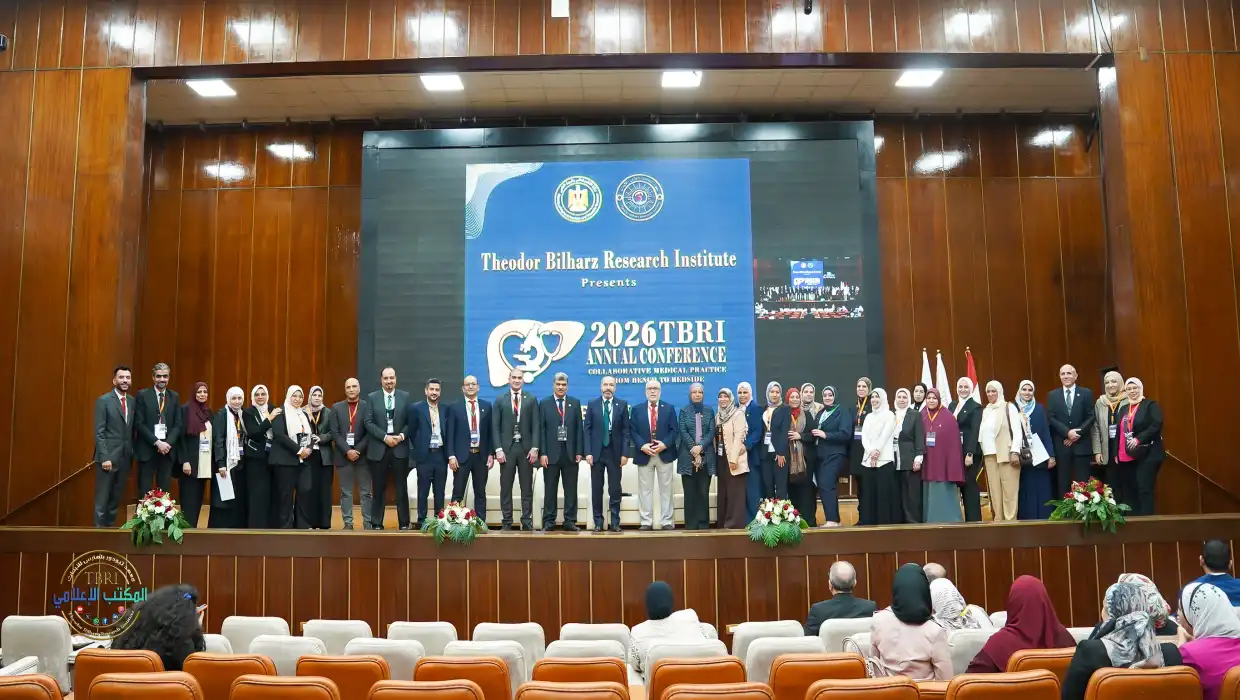
A Strong Launch for Theodor Bilharz Institute Conference 2026: An Integrated Scientific Platform Linking Research with Medical Practice
Theodor Bilharz Research Institute witnessed the launch of its Annual Conference 2026, held under the patronage of Abdel Aziz Konsowa, Minister of Higher Education and Scientific Research, and chaired by Ahmed Abdel Aziz, Director of the Institute and Chairman of its Board. The conference was held under the theme: “Collaborative Medical Practice: From Bench to Bedside,” emphasizing the importance of translating scientific research outcomes into clinical applications that contribute to developing healthcare systems and improving the quality of medical services.
The opening ceremony was attended by a distinguished group of scientific and medical leaders, with broad participation from prominent scientists, researchers, and physicians from both Egypt and abroad. Among the notable attendees were Waleed El‑Zawawy, Secretary of the Council of Research Centers and Institutes, and Neama Saeed, Representative of the World Health Organization in Egypt, along with a number of distinguished guests, university presidents, heads of institutes and research centers, and many individuals interested in scientific and medical research. This event reflects the institute’s position as one of the leading research institutions in the region.
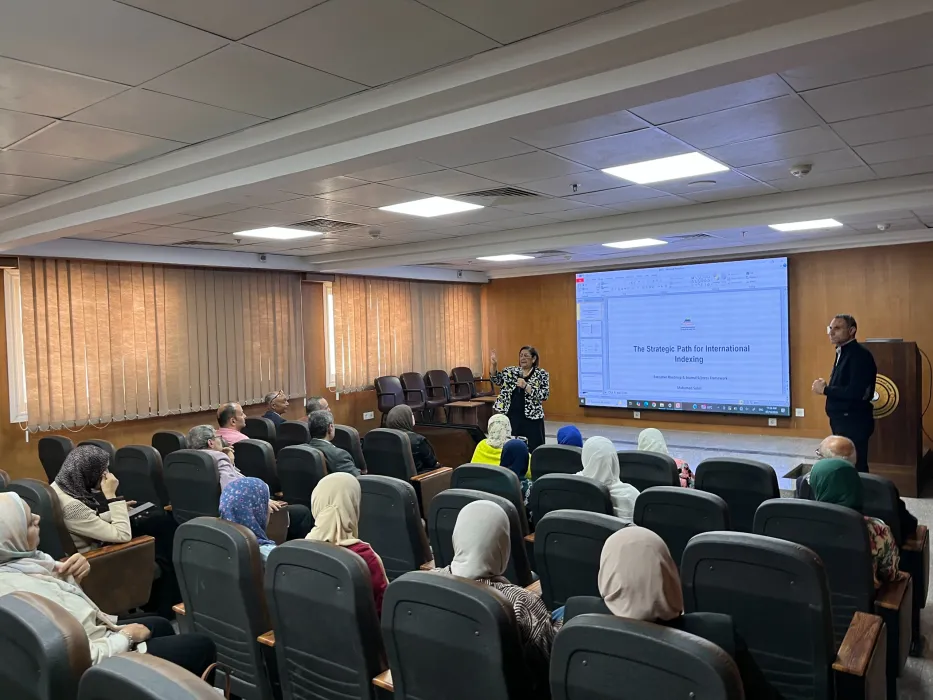
The conference was further distinguished by the participation of international speakers from renowned scientific institutions, alongside Egyptian experts from within the institute and beyond. This provided an opportunity for exchanging expertise and opening new horizons for scientific collaboration. The scientific program included 30 specialized lectures distributed across four main parallel sessions, addressing several vital topics and presenting the latest developments in medicine and scientific research.
Key topics included: Applications of artificial intelligence in surgery and medical diagnosis and its role in improving the accuracy of clinical decision-making. Recent advances in cancer treatment and the latest diagnostic and therapeutic approaches.Obesity management as a complex disease, from molecular mechanisms to integrated treatment strategies. Environmental research and the impact of surrounding factors on human health.The sessions also presented successful applied models highlighting the integration between laboratory research and clinical practice, along with interactive scientific discussions that enriched the conference’s academic content within a truly multidisciplinary framework.
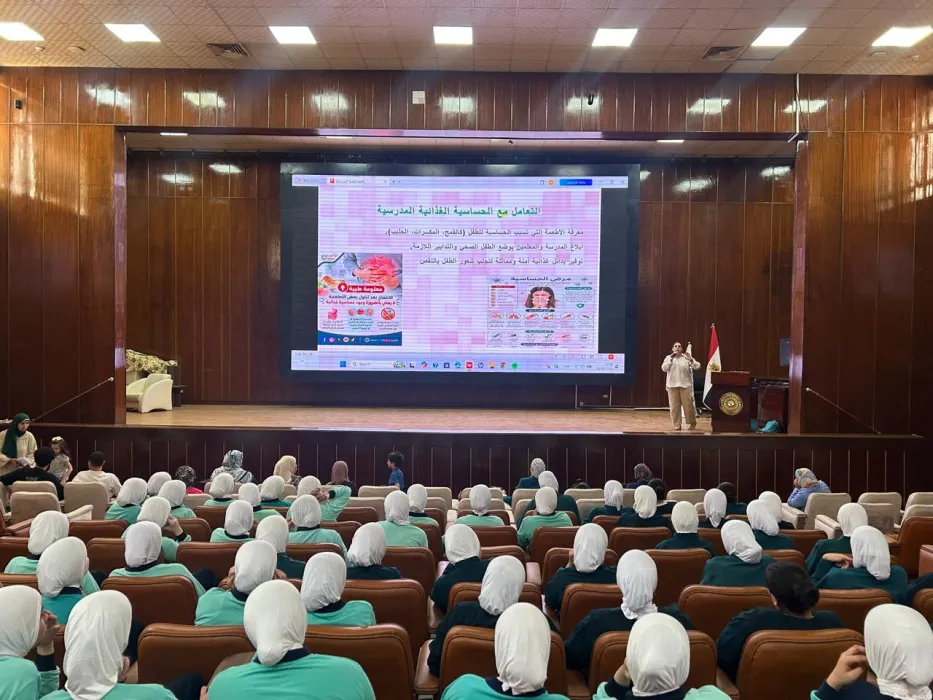
On the sidelines of the conference, the institute organized a distinguished series of 13 specialized training workshops held from March 29 to April 1. These workshops delivered advanced practical training content with the participation of several departments of the institute. They provided participants with a comprehensive training experience that enhanced their professional skills in many important medical and research fields. The workshops also reflected the institute’s commitment to strengthening the integration between theoretical scientific knowledge and direct practical application, equipping participants with modern tools that keep pace with rapid developments across medical and research disciplines.
The conference also featured an outstanding collection of scientific posters that reflected diversity and depth in research topics. These posters served as an interactive scientific platform allowing researchers to present their ideas and research findings and exchange expertise with leading specialists. This helped develop their scientific presentation and discussion skills and gave them a valuable opportunity to engage directly with experts and receive constructive feedback that enriches their research work and opens new horizons for development.
Within this context, a scientific competition was organized under the supervision of a specialized committee to evaluate the submissions according to precise scientific criteria. The top three posters were honored in recognition of their scientific excellence and their contribution to enriching medical knowledge.
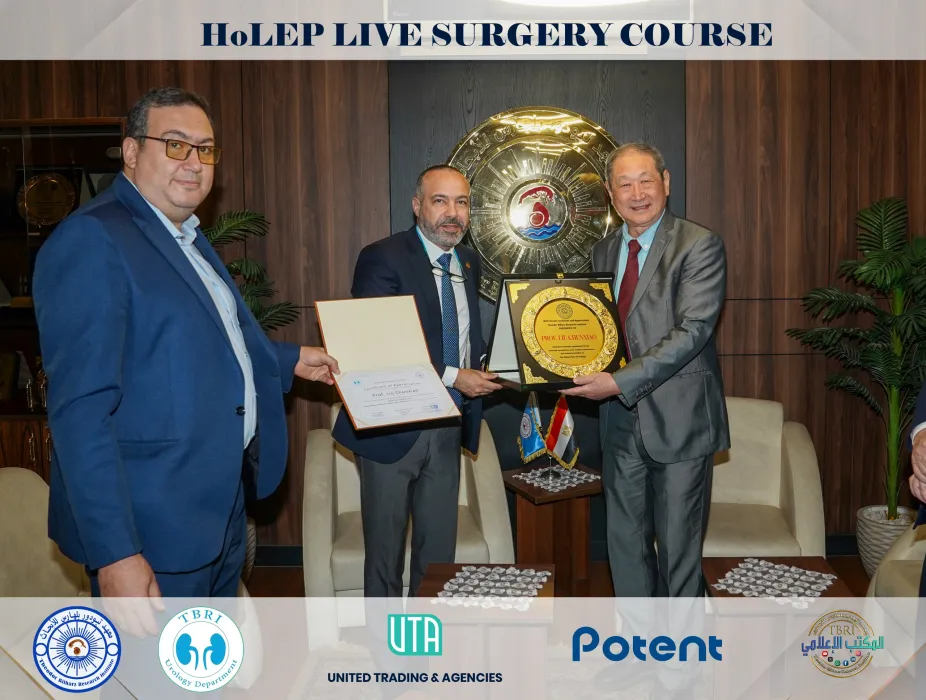
At the conclusion of the conference, several distinguished members of the research staff and their assistants were honored in various scientific and research fields. Certificates of appreciation were distributed in a celebratory atmosphere reflecting pride and recognition, as part of the institute’s commitment to encouraging and valuing scientific and research efforts and acknowledging outstanding achievements and contributions to the academic community.
The ceremony also included honoring the vice presidents of the conference, the conference secretary-general, members of the scientific committee, and the organizing and executive committees, who played an essential role in planning and coordinating this major scientific event and ensuring its successful execution.
In his address during the event, Professor Ahmed Abdel Aziz, Director of the Institute and Conference President, emphasized that this year’s conference reflects the institute’s commitment to supporting applied scientific research and strengthening collaboration among different disciplines. He noted that the active participation and constructive scientific discussions witnessed during the conference represent an important step toward advancing evidence-based medical practice.
He added that the institute continues to work toward providing a stimulating scientific environment that supports innovation and offers opportunities for researchers—particularly young scientists—to present their ideas and contribute to building a better future for healthcare.
Theodor Bilharz Research Institute affirms that this conference represents an important milestone in the journey of science and development, embodying a clear vision aimed at building strong bridges between research and application. What the institute’s Annual Conference 2026 demonstrated was not merely a series of scientific events, but rather real steps toward a future where medical decisions are built on precise scientific evidence, where collaboration becomes strength, and where science creates a lasting impact.