

Egyptian–Chinese Scientific Cooperation to Advance the Fight Against Parasitic Diseases and Harness Modern Technologies for Diagnosis and Surveillance
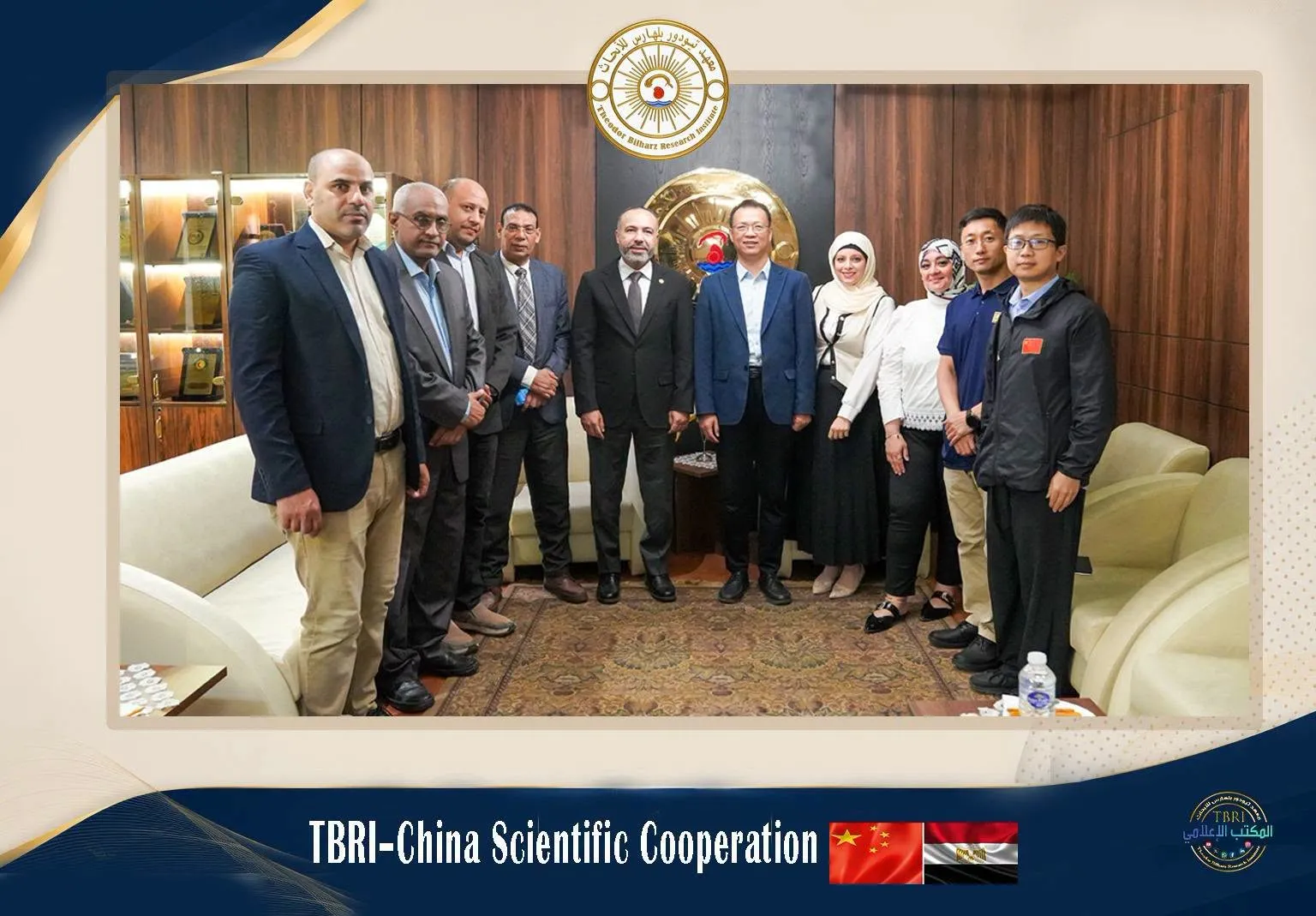
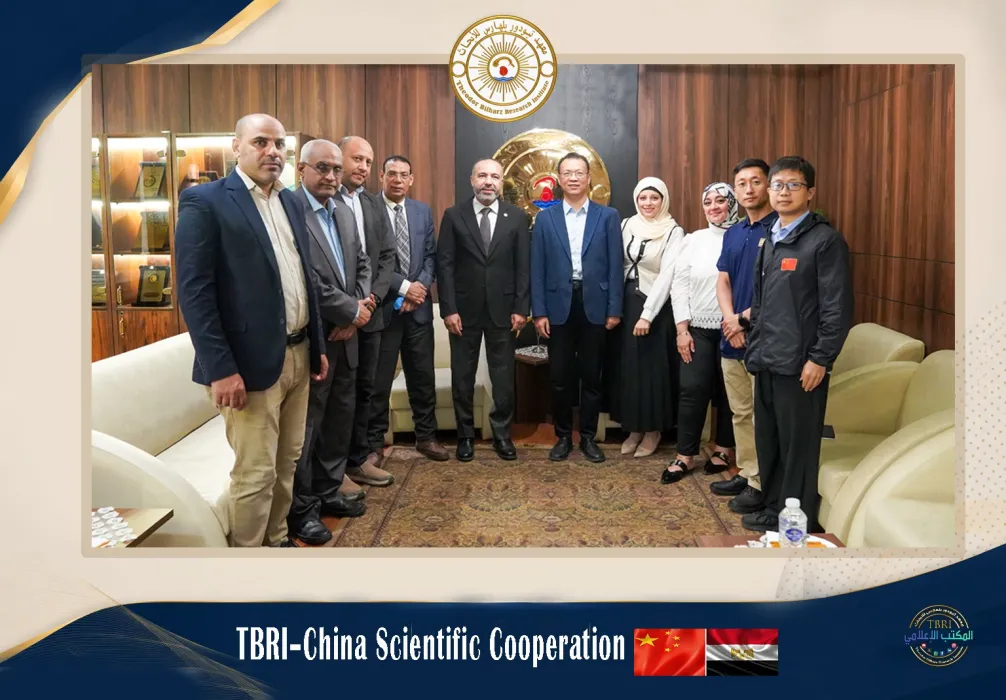
As part of Theodor Bilharz Research Institute’s commitment to expanding the horizons of international scientific and research cooperation, strengthening partnerships with specialized research institutions, and under the patronage of Prof. Dr. Ahmed Abdel Aziz, Acting Director of the Institute and Chairman of the Board, the Institute hosted a delegation of expert professors and researchers from the Jiangsu Institute of Parasitic Diseases (JIPD), People’s Republic of China.
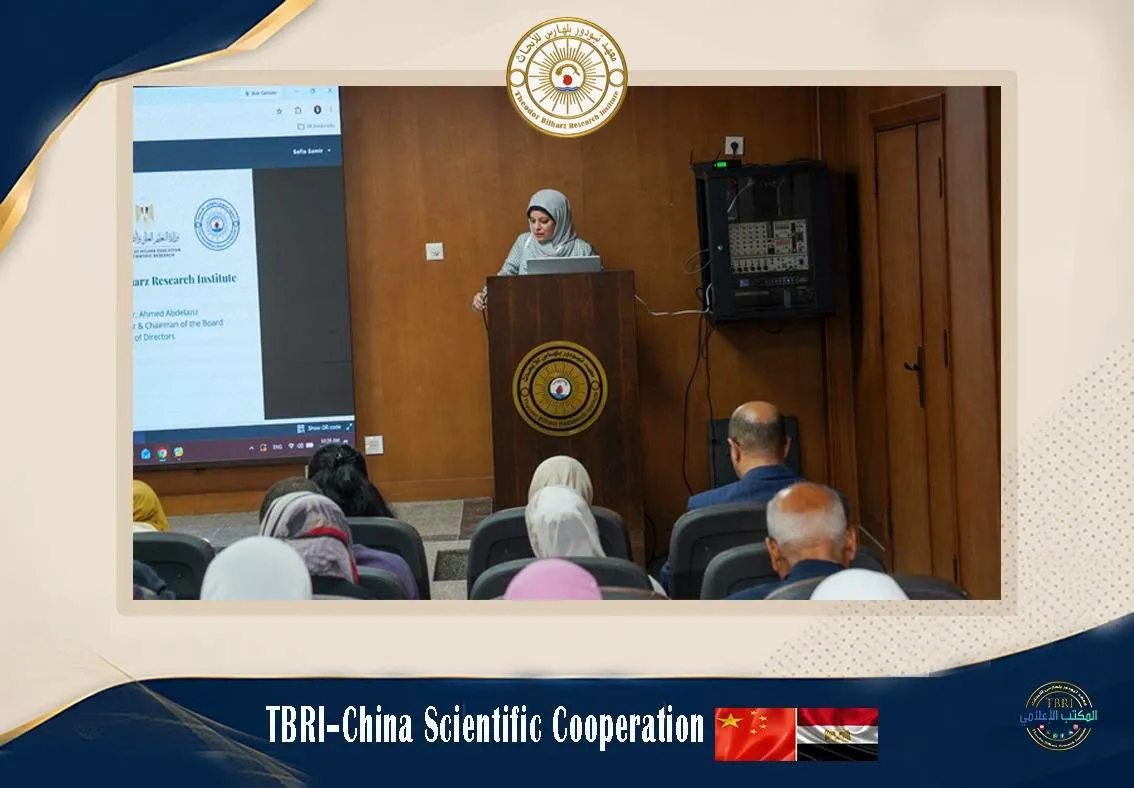
The visit took place as part of a specialized scientific event entitled “Schistosomiasis Prevention and Control Based on Artificial Intelligence and Rapid Nucleic Acid Testing,” within a scientific and training program aimed at exchanging expertise, building capacities in the prevention and control of parasitic and tropical diseases, and keeping pace with the latest advances in diagnosis and epidemiological surveillance.
The event was organized within the framework of a joint research project, coordinated by the WHO-TBRI Collaborating Center for Schistosomiasis Control at Theodor Bilharz Research Institute and the Egyptian Ministry of Health and Population, in cooperation with the Jiangsu Institute of Parasitic Diseases in China. This initiative reflects the depth of scientific cooperation between the two sides and their shared commitment to exchanging knowledge and expertise and advancing joint research and applied activities.
The scientific coordination was undertaken by Assoc. Prof. Hager Fathy Abdel Maksoud, Assistant Professor of Parasitology and Head of the WHO Collaborating Center at the Institute, and Assoc. Prof. Safia Samir, Assistant Professor of Biochemistry and Molecular Biology and Director of the Institute Director’s Office for External Relations. Their efforts contributed to supporting scientific collaboration and facilitating the exchange of expertise in the fields of parasitic diseases, molecular diagnostics, and advanced technologies.
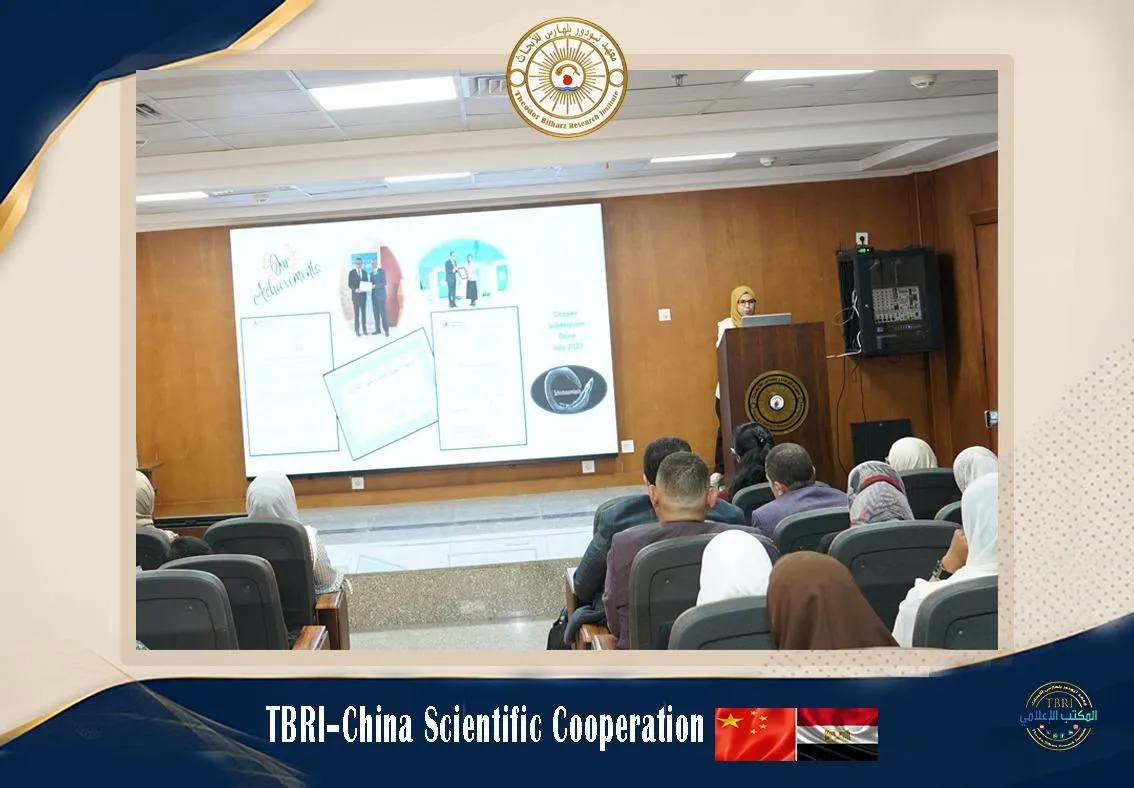
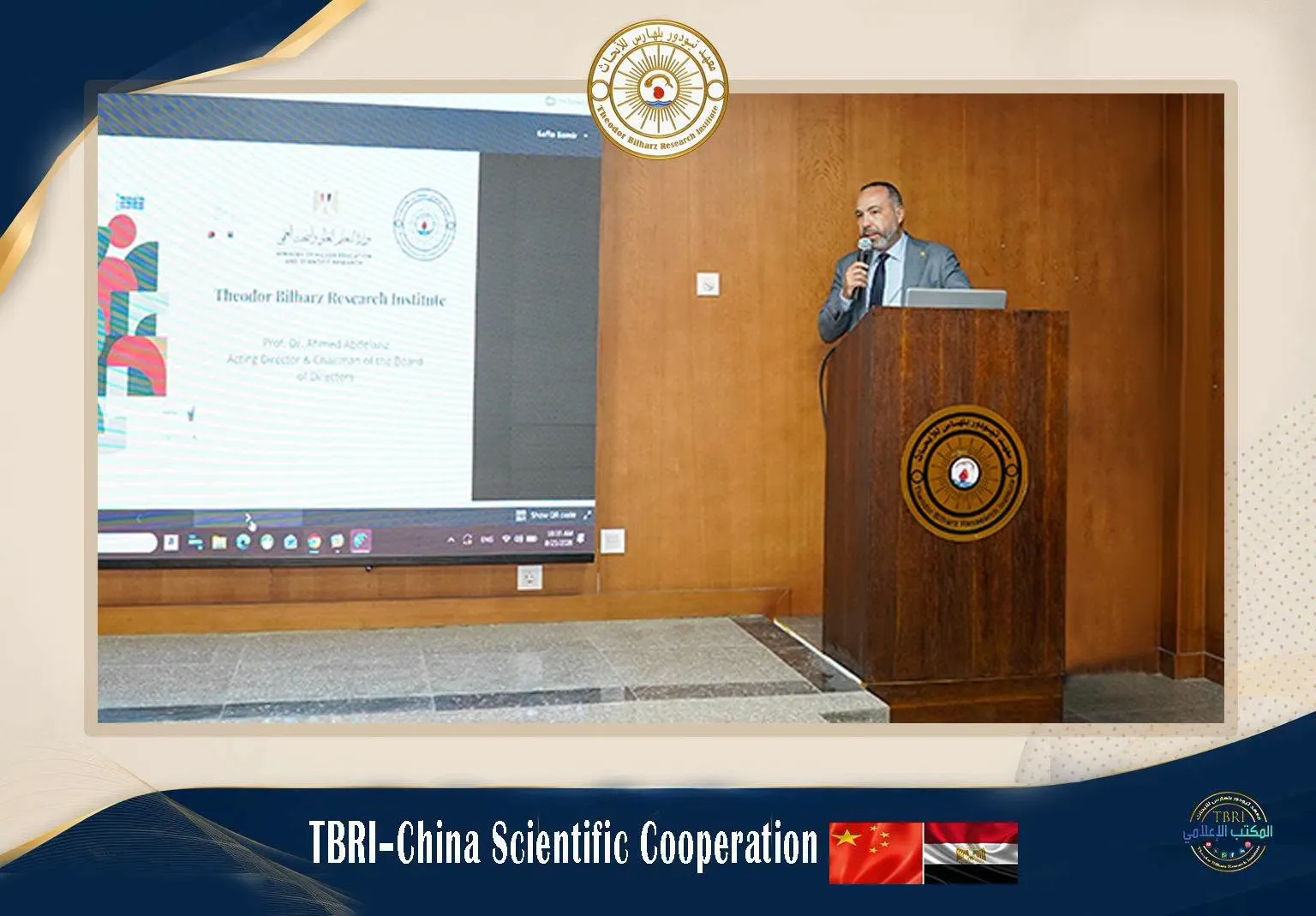
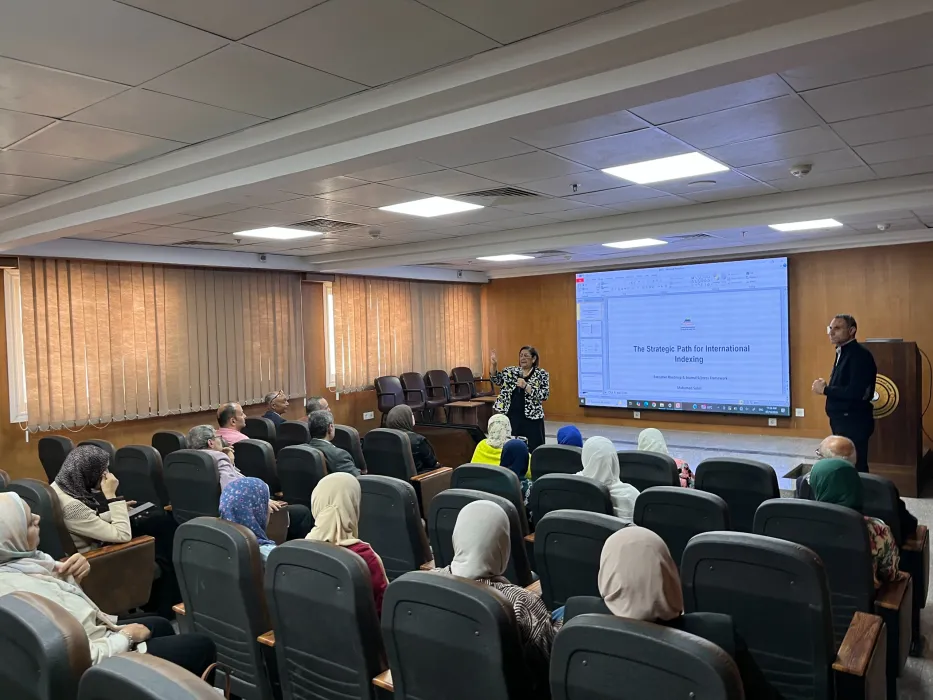
The scientific day began with a presentation delivered by Prof. Dr. Ahmed Abdel Aziz, Director of the Institute, providing an overview of the history of Theodor Bilharz Research Institute and its scientific and research journey. He highlighted key milestones in the Institute’s development and achievements over the years, as well as its current scientific standing and its roles in scientific research, medical care, training, and international cooperation. He emphasized the importance of building on this scientific legacy to further develop systems for research, diagnosis, and the prevention and control of parasitic diseases.
The Chinese delegation included three specialized experts from the Jiangsu Institute of Parasitic Diseases: Prof. Kun Yang, Professor of Parasitology; Assoc. Prof. Song Zhao, Associate Professor of Medical Pathogen Biology; and Assoc. Prof. Liang Shi, Associate Professor of Epidemiology.
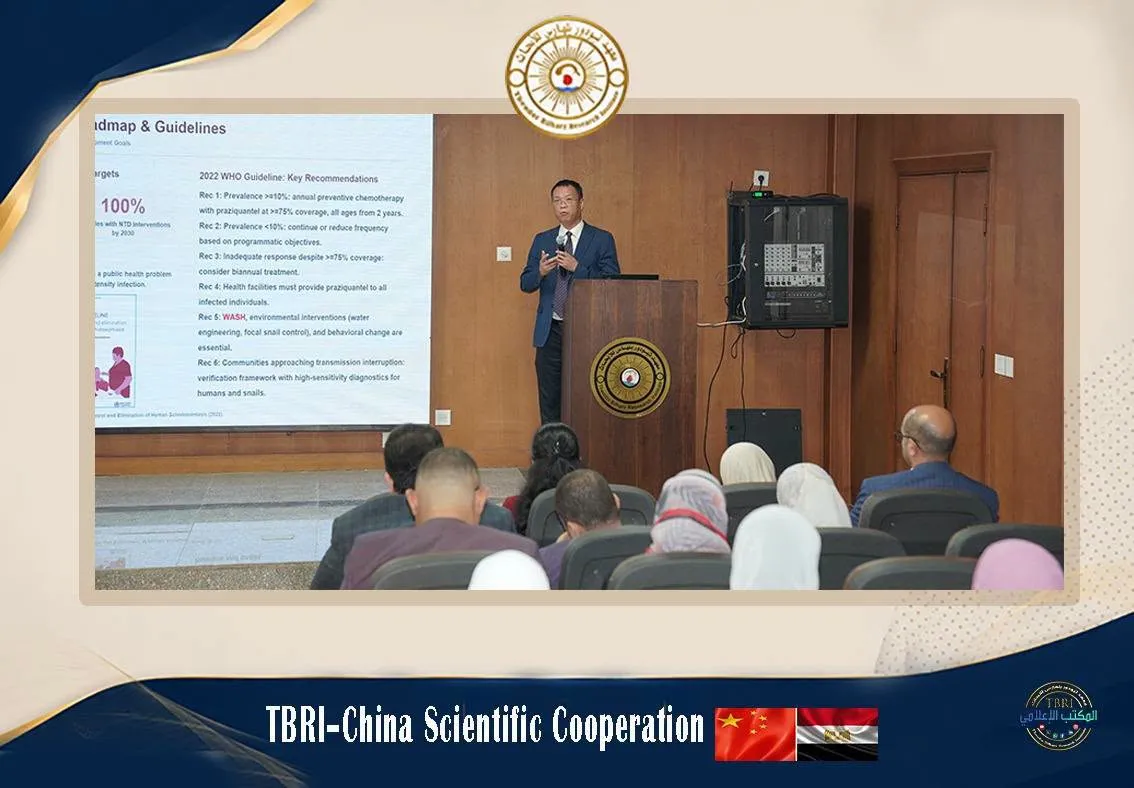
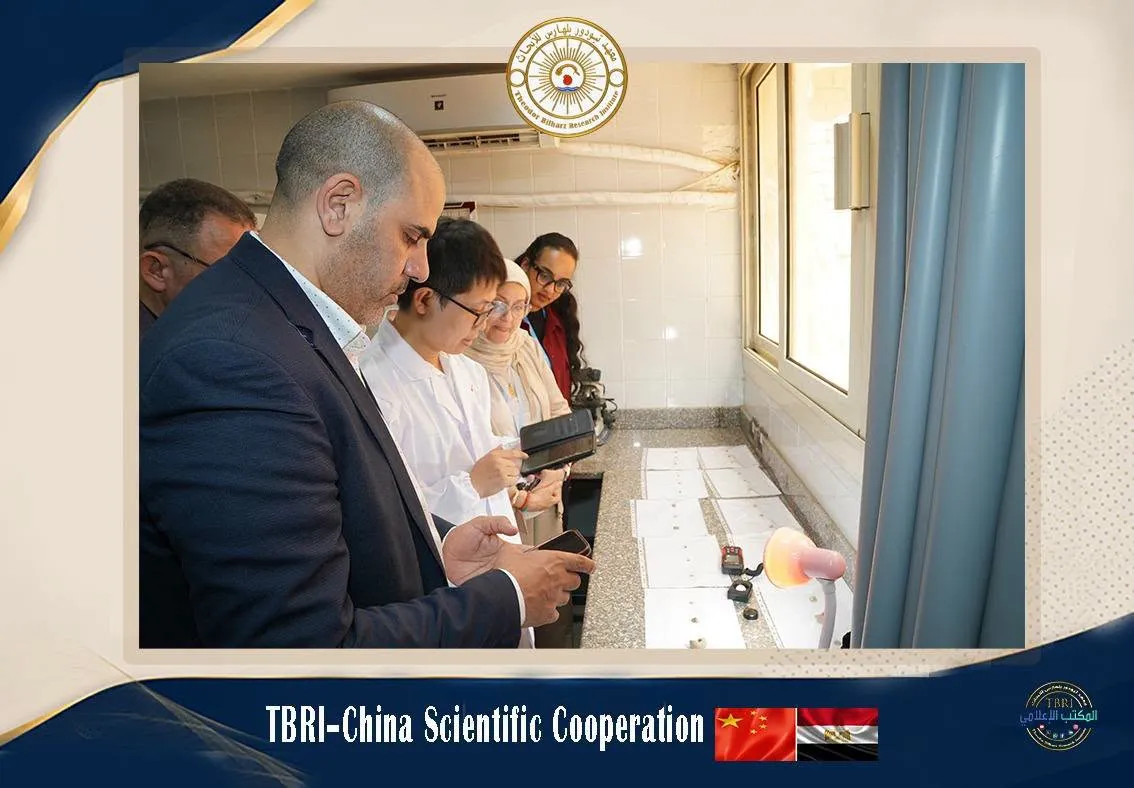
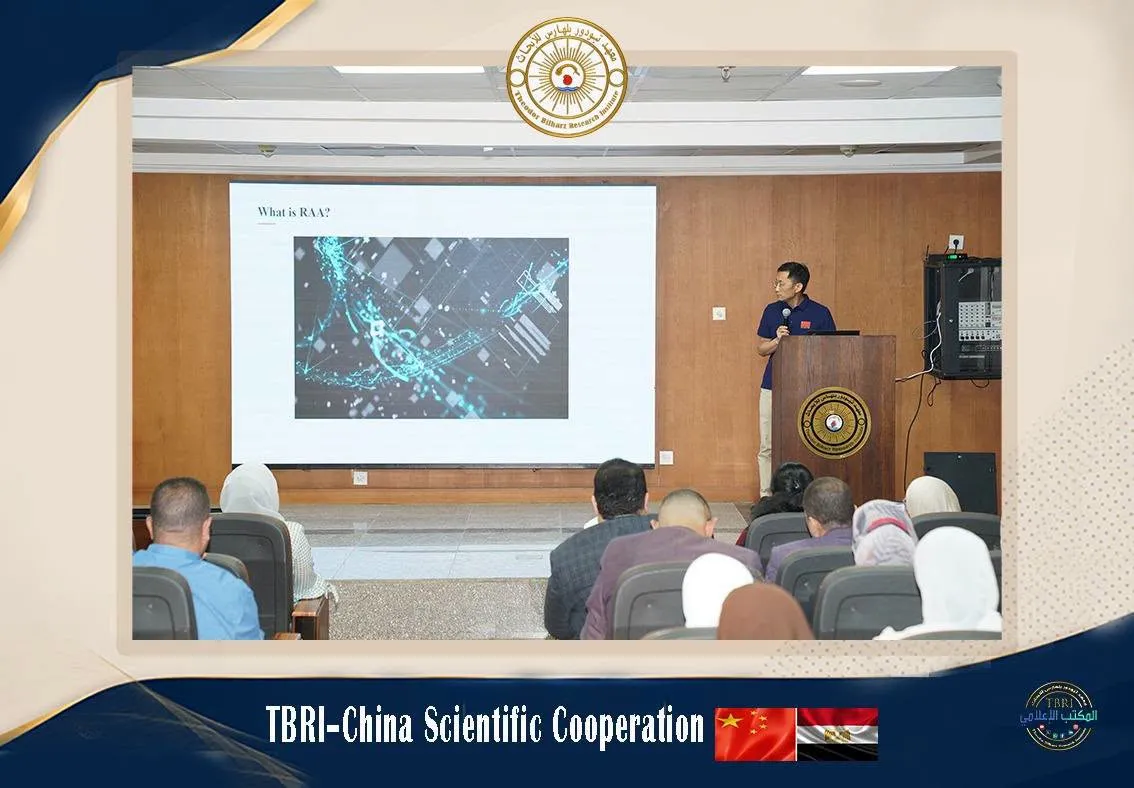
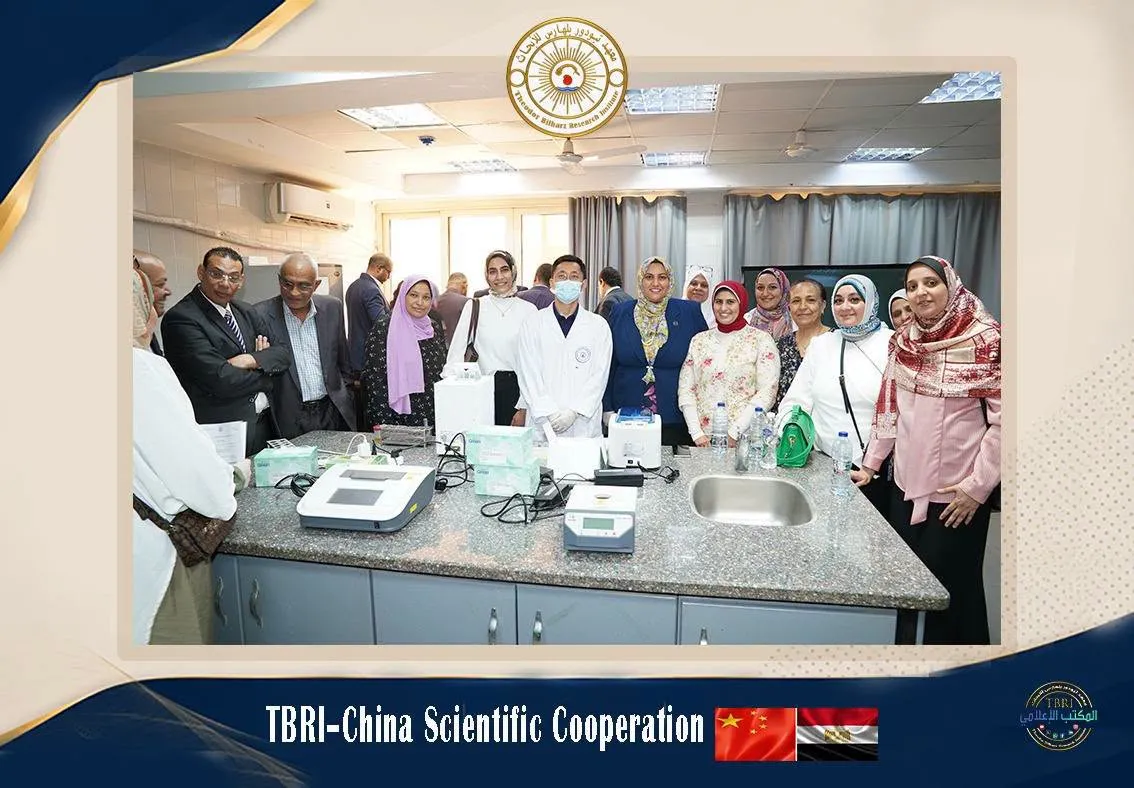
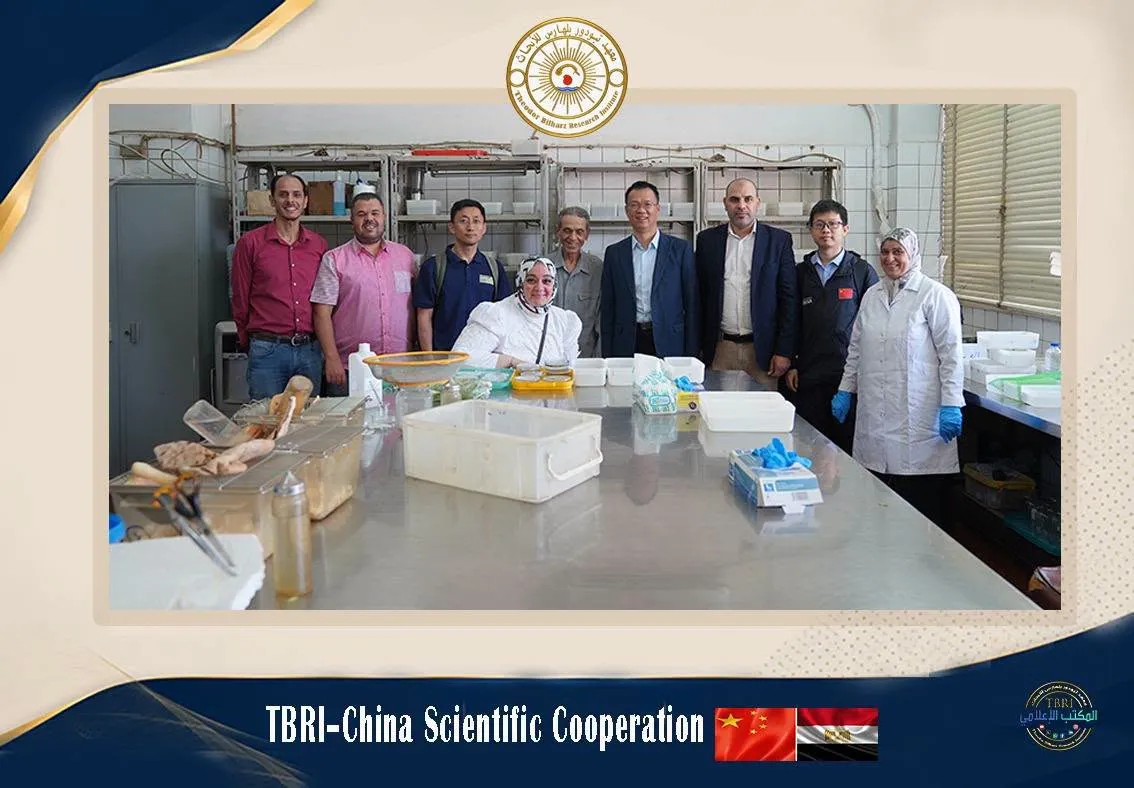
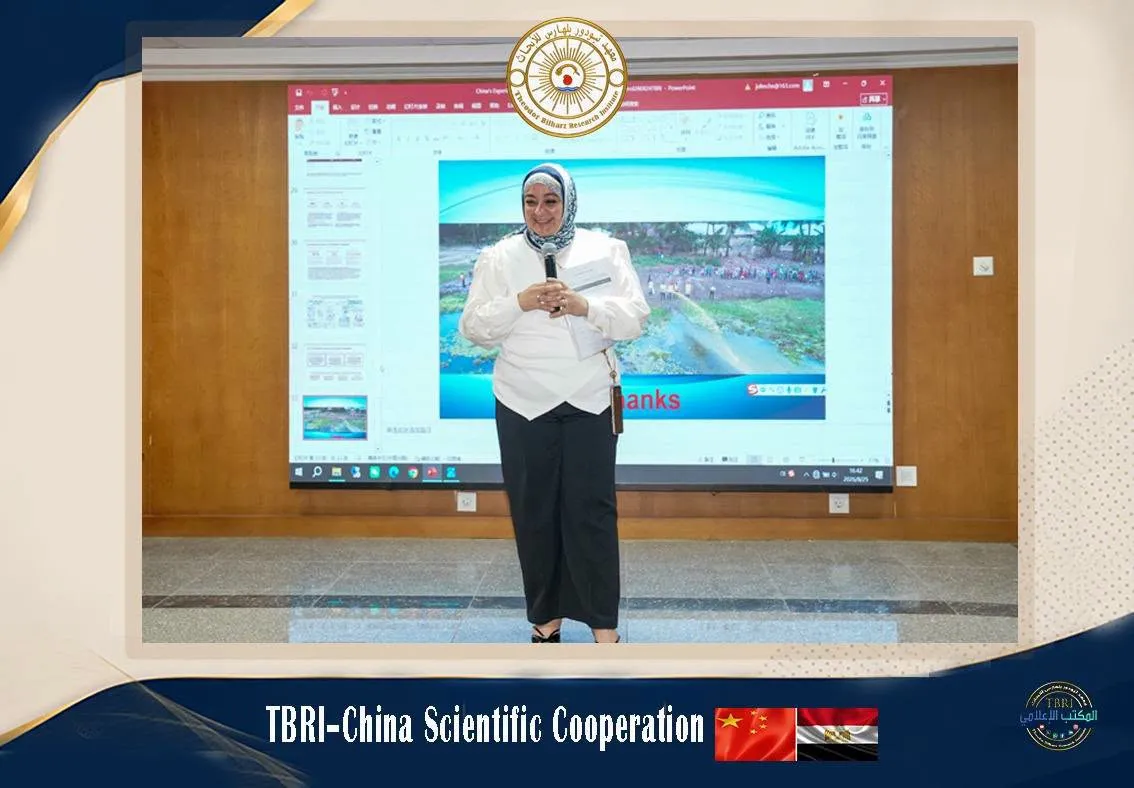
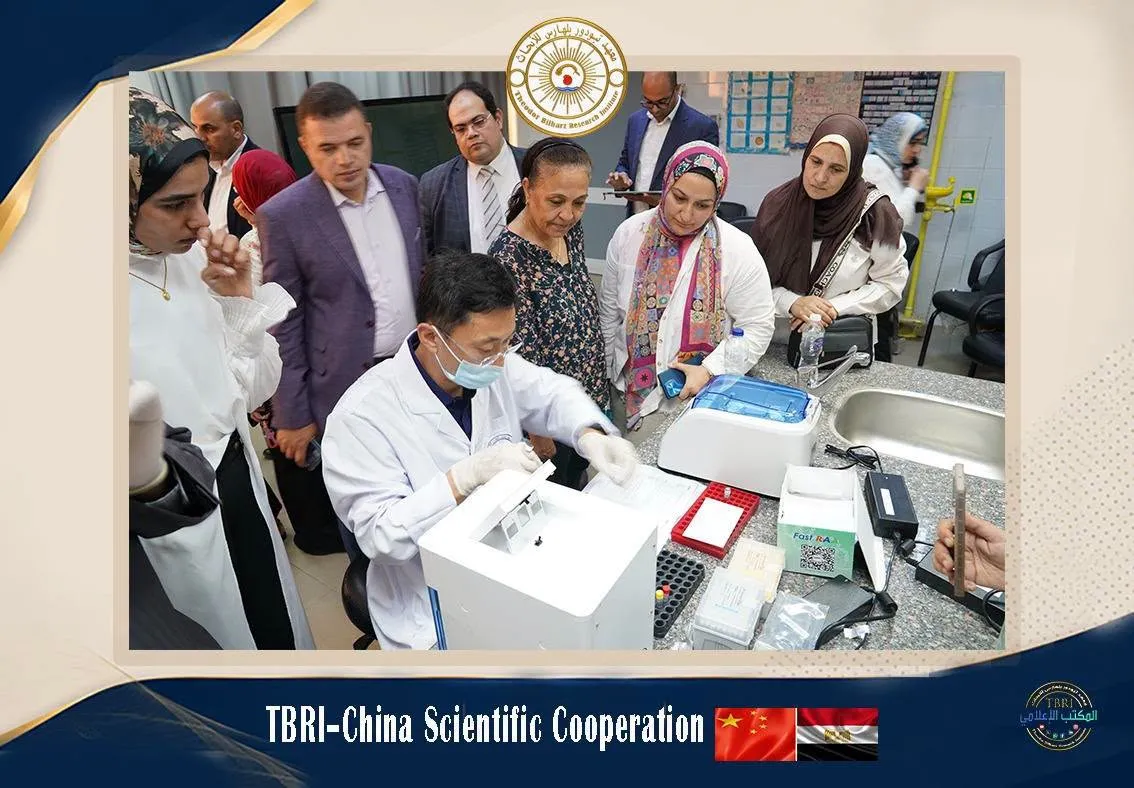
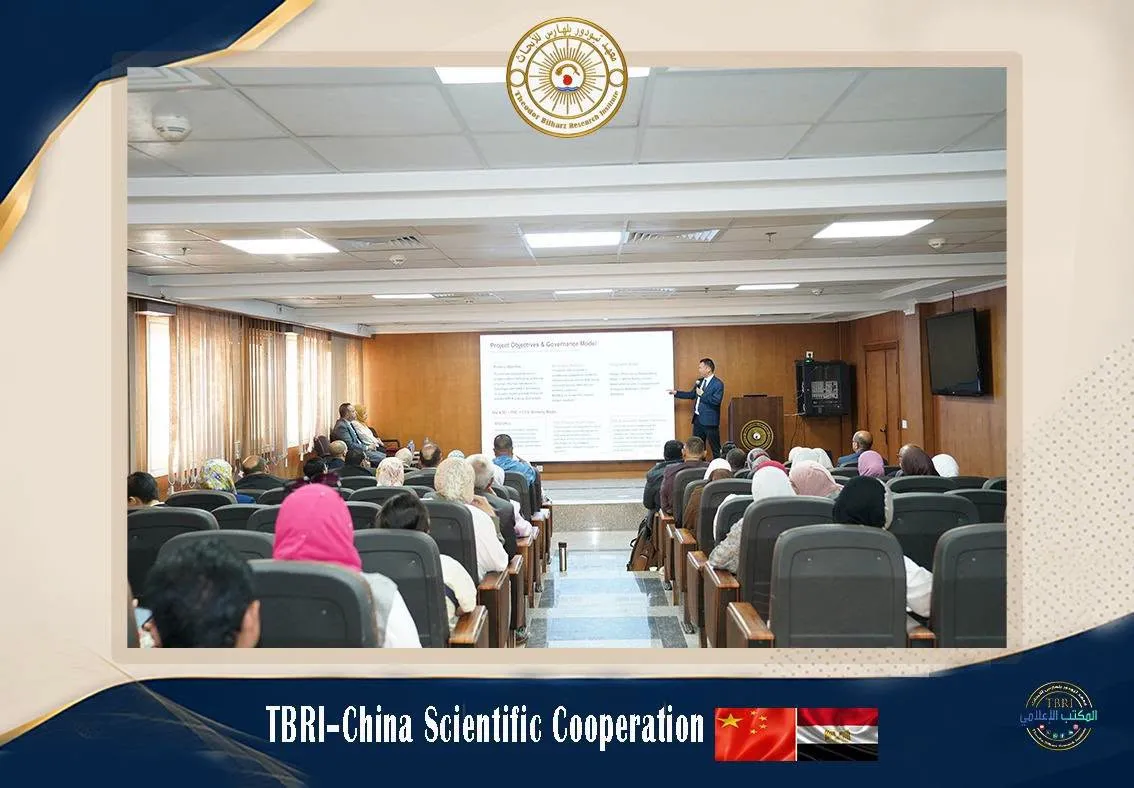
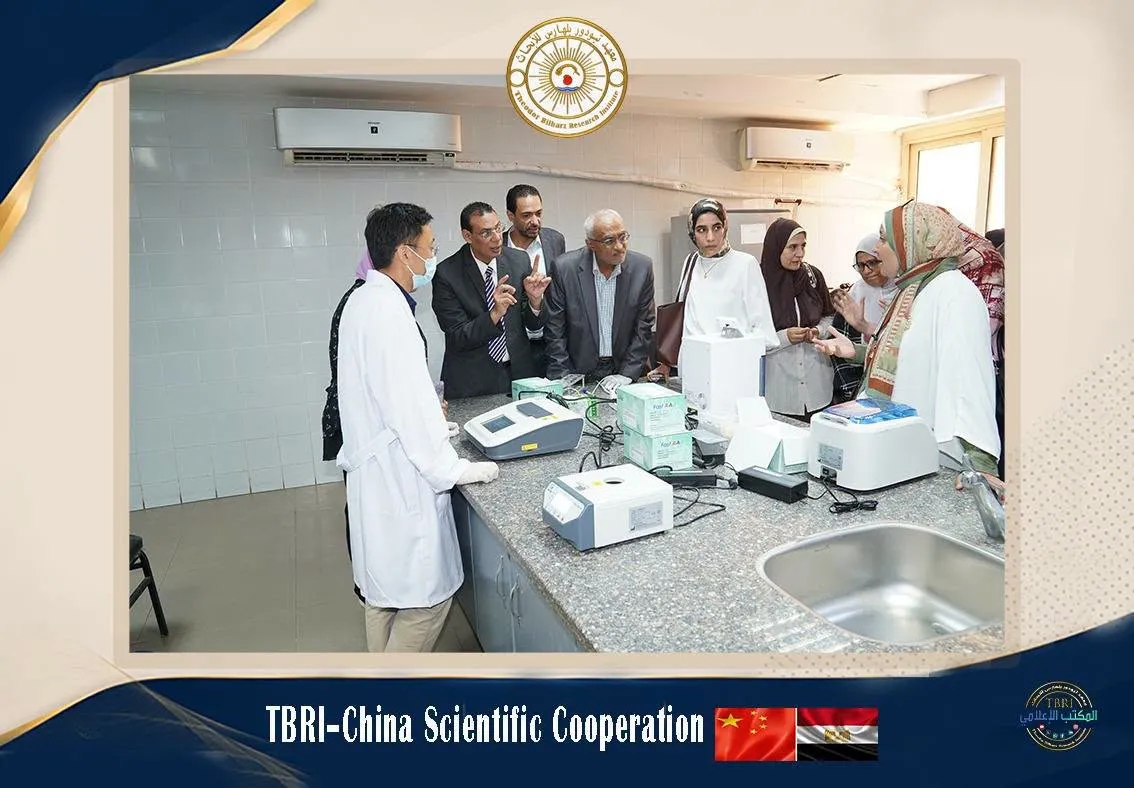
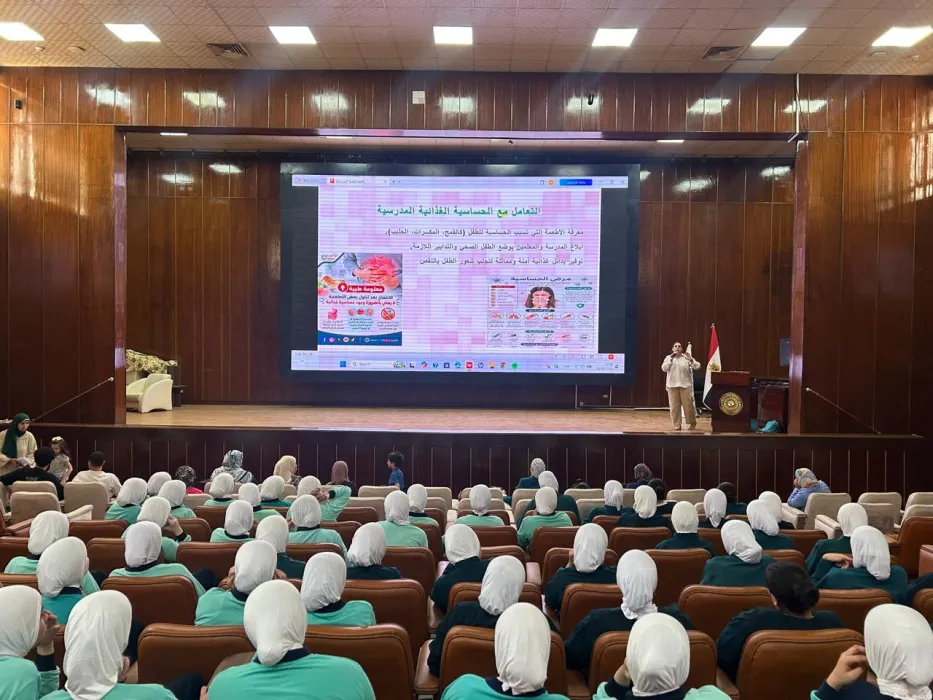
The visit included a tour of several departments and units within the Institute, during which the delegation learned about its research and diagnostic capabilities and modern facilities. The Chinese experts also delivered specialized lectures addressing China’s experience in parasitic disease control, as well as the latest applications of parasitology, pathogenic biology, epidemiology, artificial intelligence, and advanced diagnostic technologies.
From the Egyptian side, Dr. Amany El-Habashi, Head of the Central Department of Tropical Diseases and Vector Control, and Prof. Dr. Mohamed Ramadan Habib, Professor and Head of the Medical Malacology Department at the Institute, delivered scientific lectures that enriched the program and strengthened the exchange of expertise between the two sides in the areas of prevention, diagnosis, surveillance, and early disease detection.
In his remarks, Prof. Dr. Ahmed Abdel Aziz emphasized that hosting the Chinese experts forms part of the Institute’s strategy to establish effective international scientific partnerships that go beyond the exchange of knowledge and expertise to include the development of research projects and training programs and the transfer of advanced technologies. He highlighted the importance of harnessing artificial intelligence and rapid molecular detection technologies to advance diagnosis and epidemiological surveillance and to open new avenues for research and practical application in support of public health in Egypt and the region.
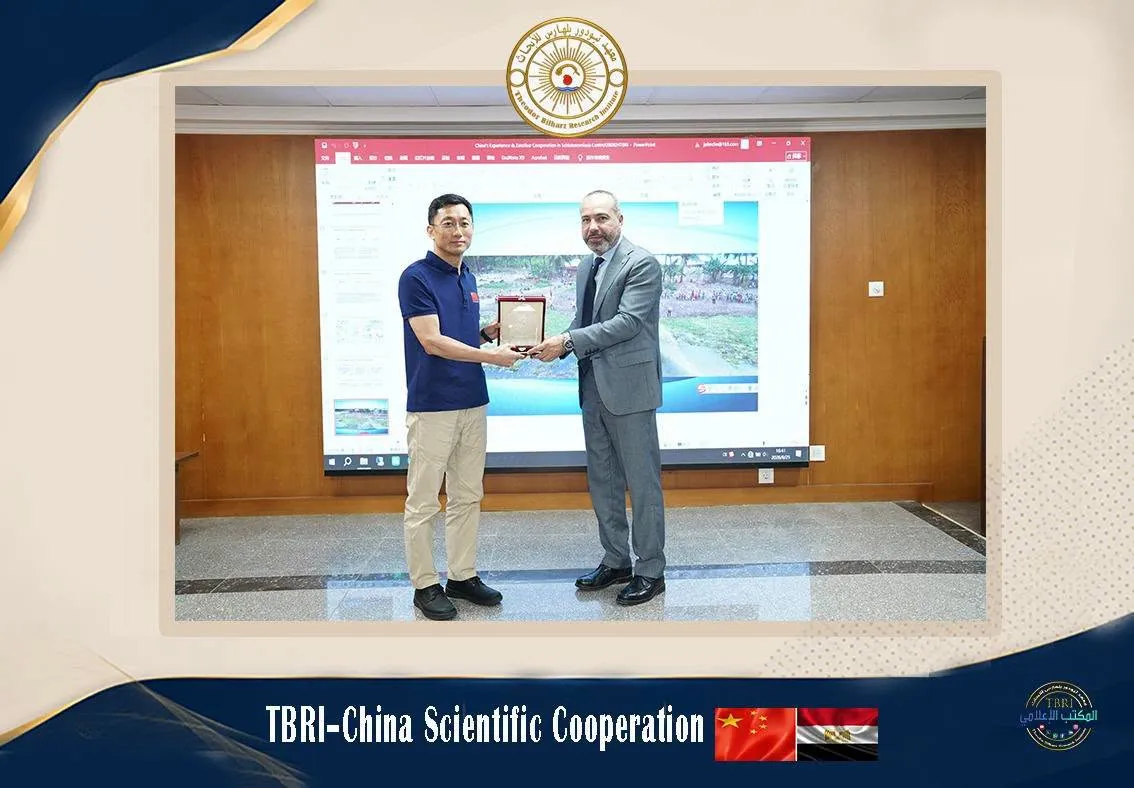
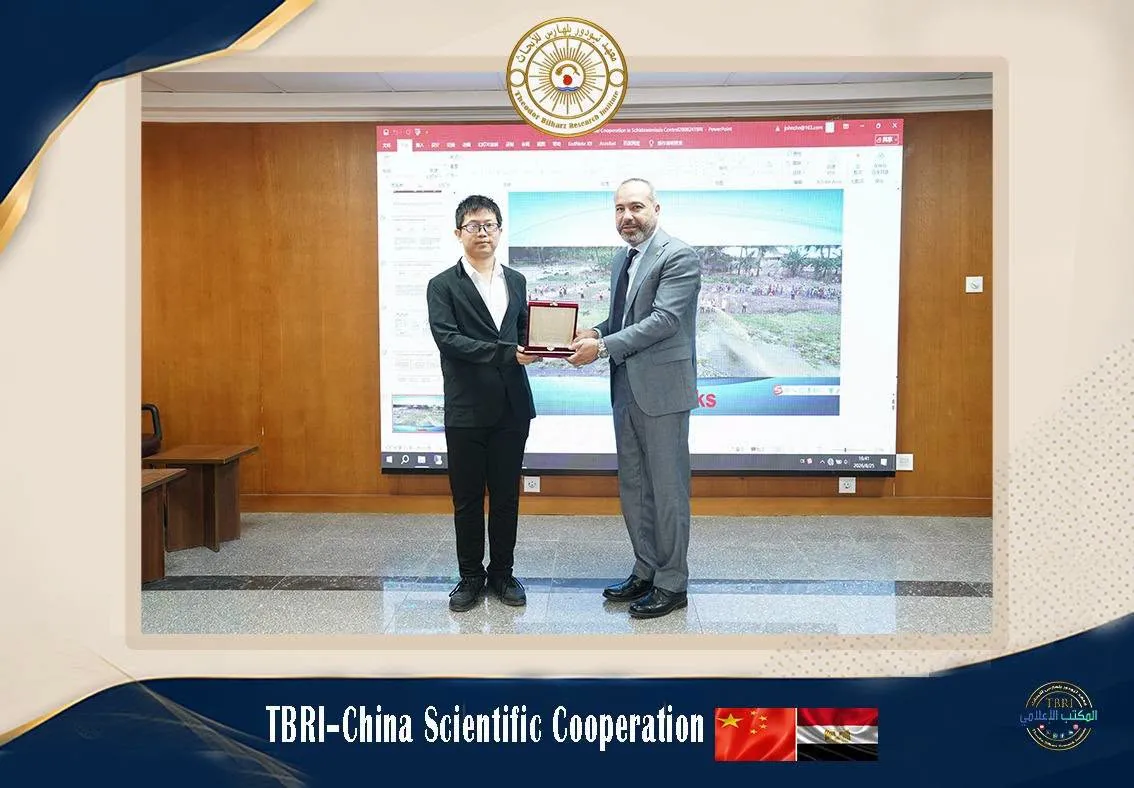
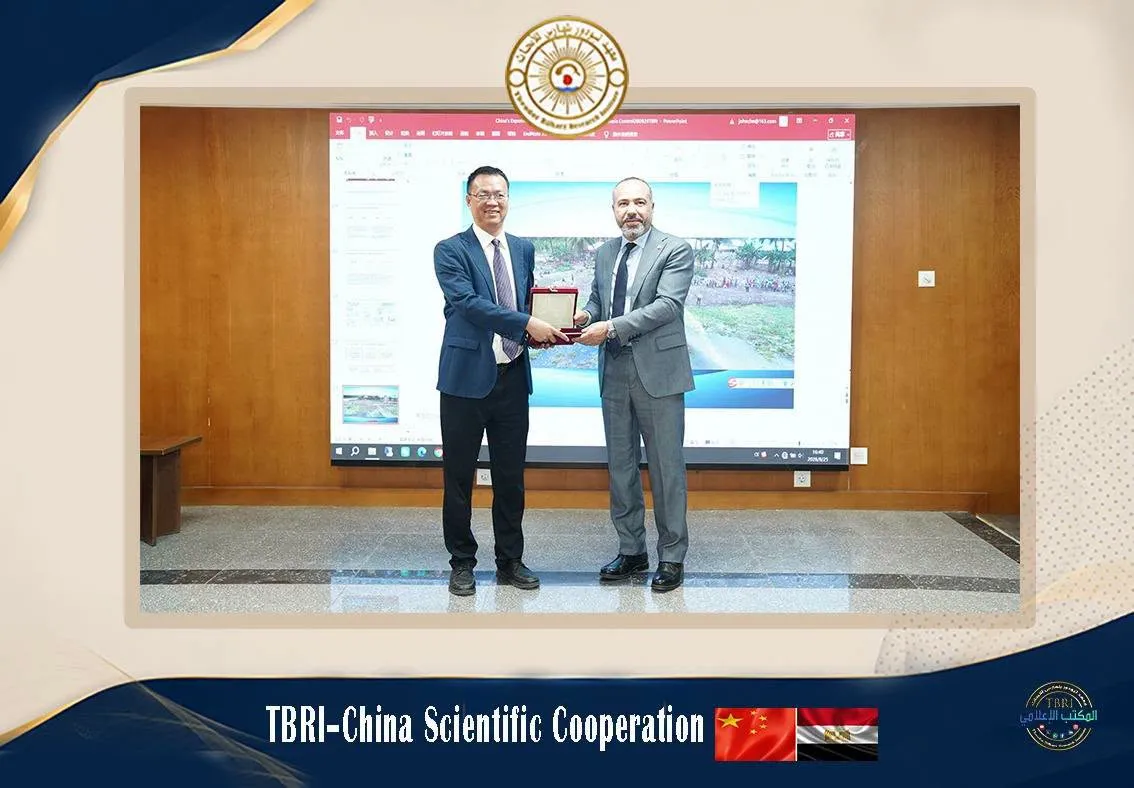
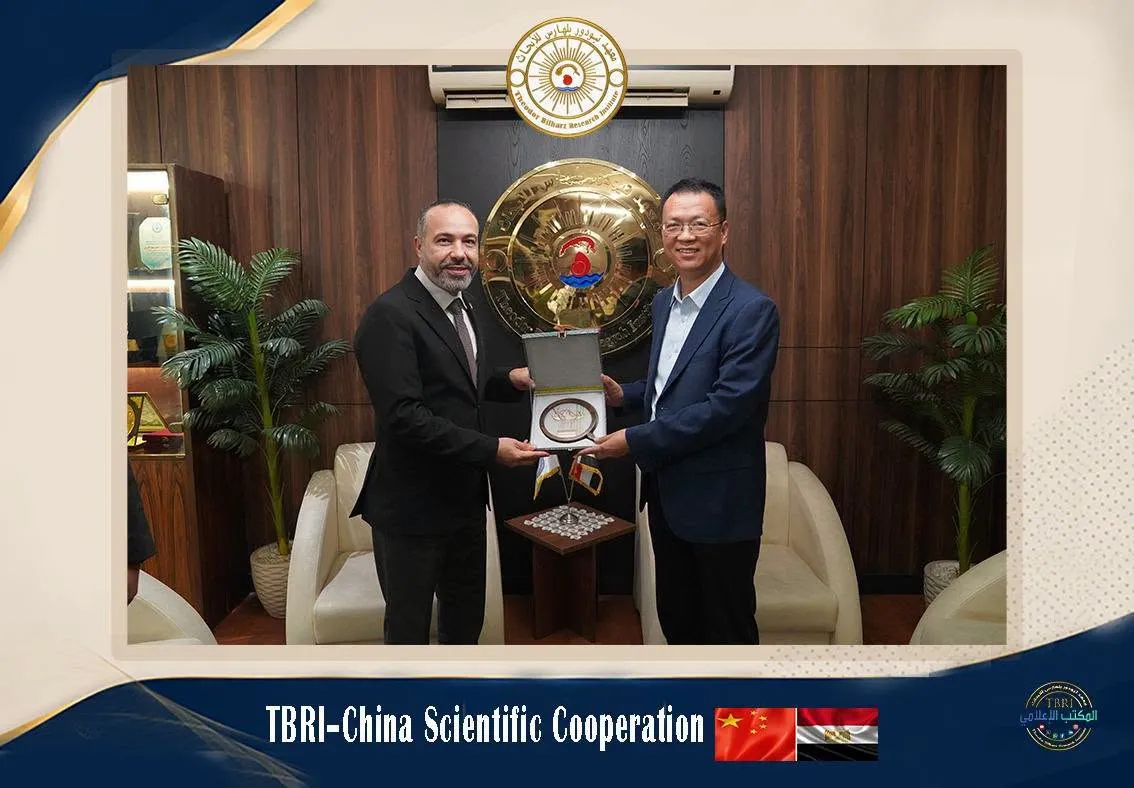
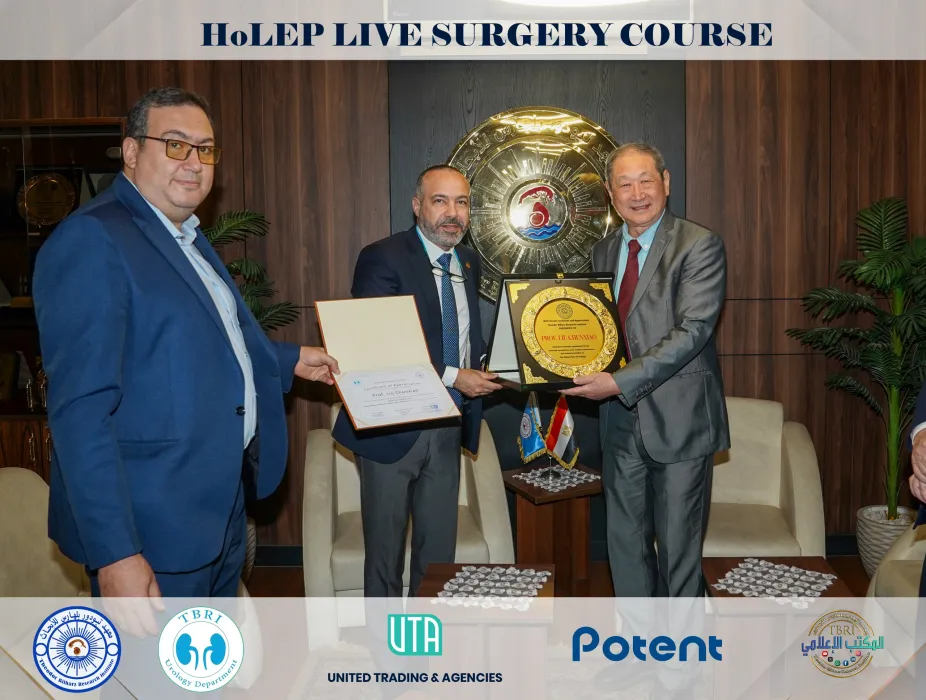
At the conclusion of the scientific day, Prof. Dr. Ahmed Abdel Aziz honored the members of the Chinese delegation and presented them with the Institute’s commemorative shields in recognition of their participation and scientific contributions.
This event represents a continuation of the growing cooperation between the Theodor Bilharz Research Institute and specialized Chinese research institutions, encompassing the exchange of expertise and researchers, the implementation of training programs and workshops, and the development of joint research projects. It also reaffirms the importance of sustaining and expanding this cooperation to promote the application of advanced technologies and artificial intelligence in the prevention and control of parasitic and tropical diseases and to support joint efforts in advancing public health.
Photo Gallery