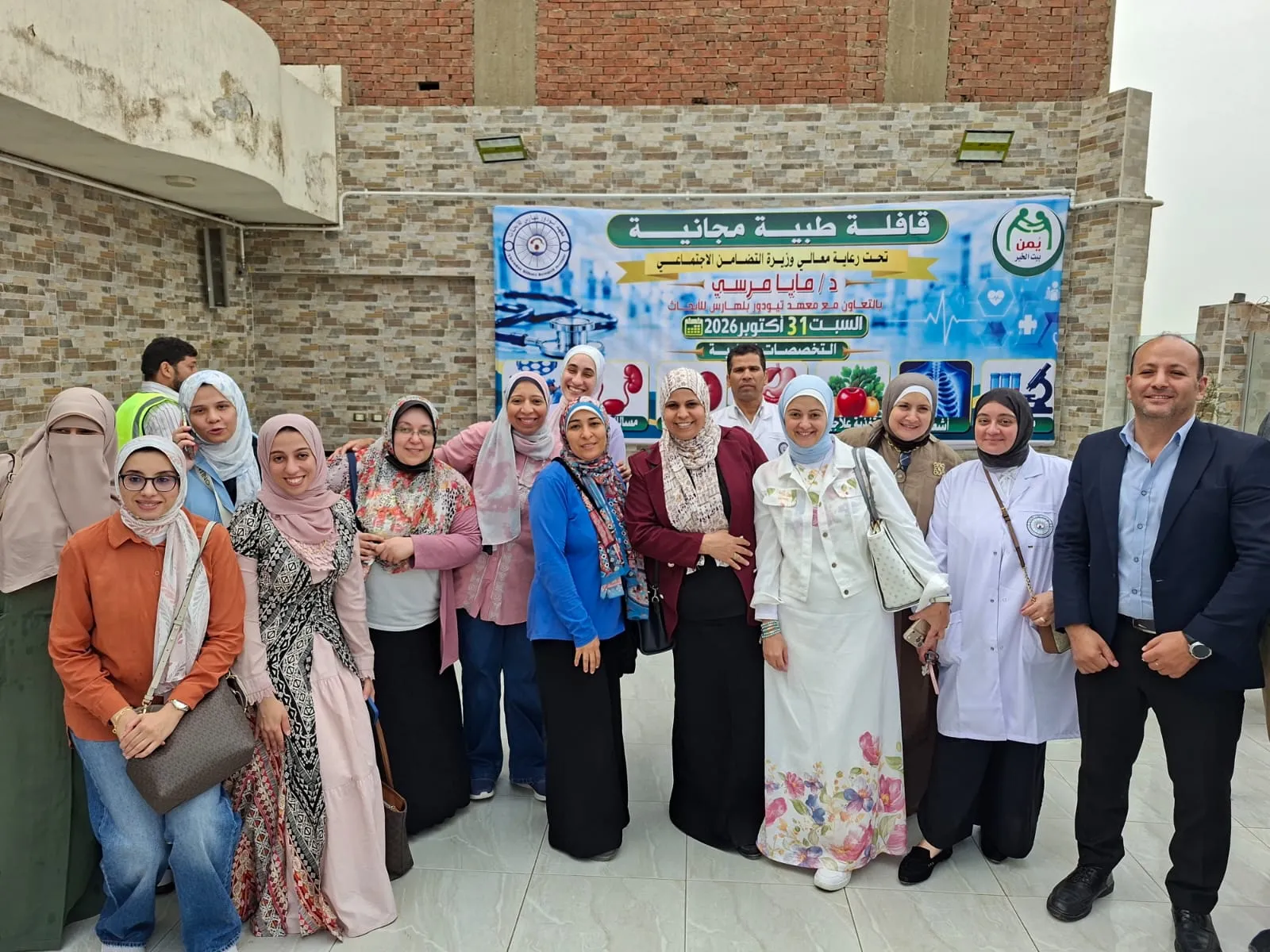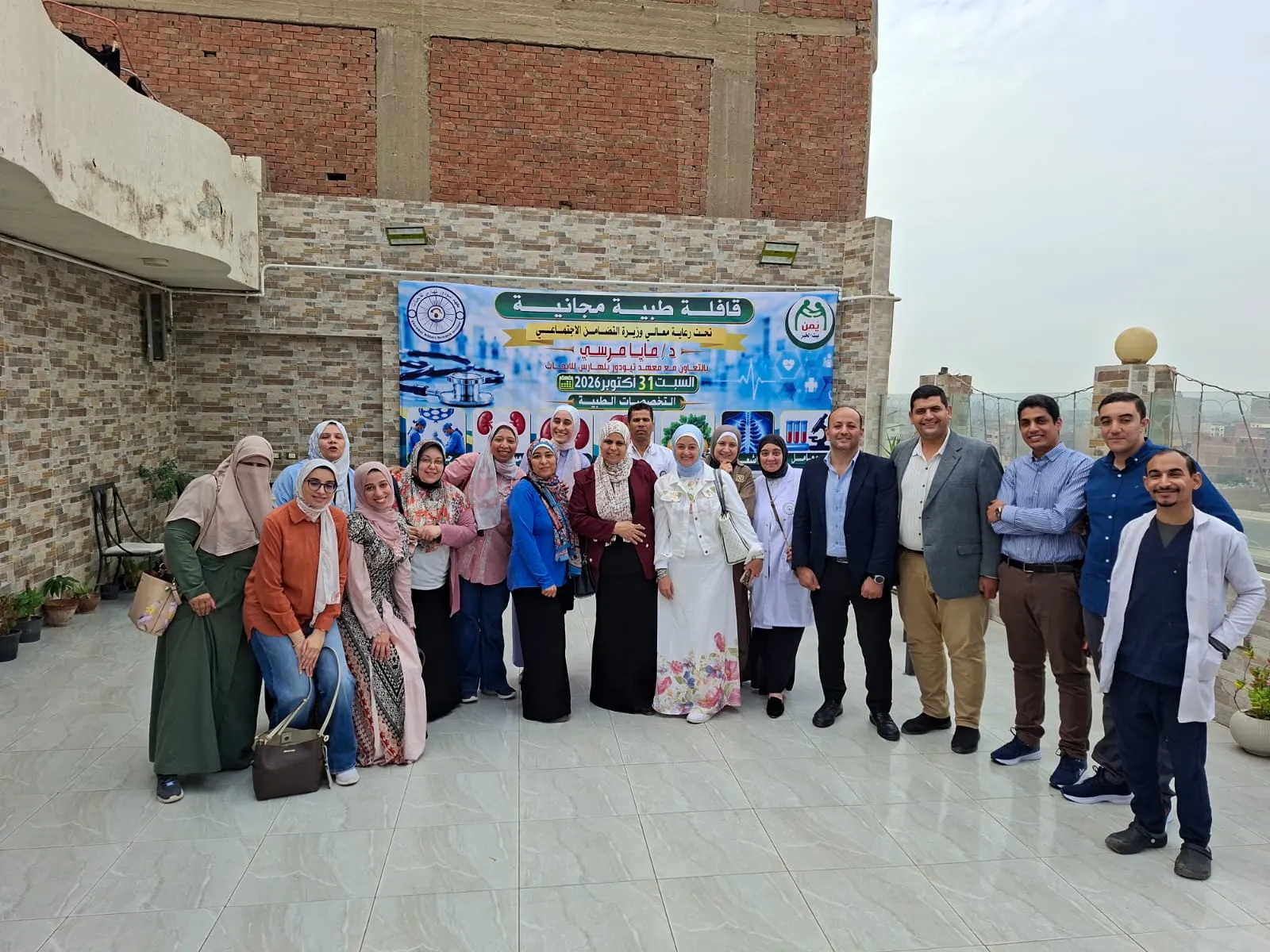


“Theodor Bilharz” Extends Its Healthcare Outreach to the Residents of Warraq: 400 Patients Benefit from a Free Medical Convoy
Written by: Mie Mohamed Reda
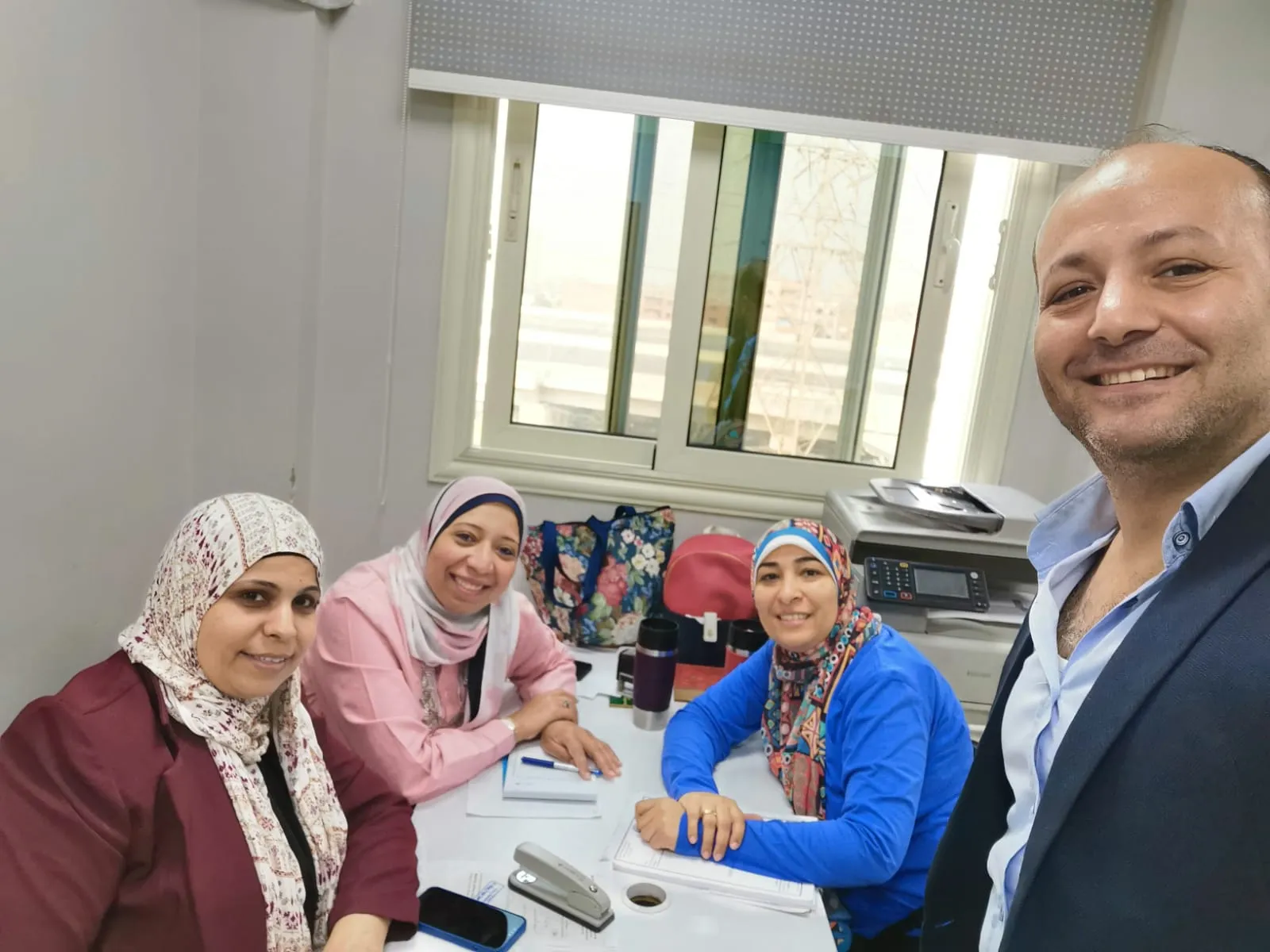
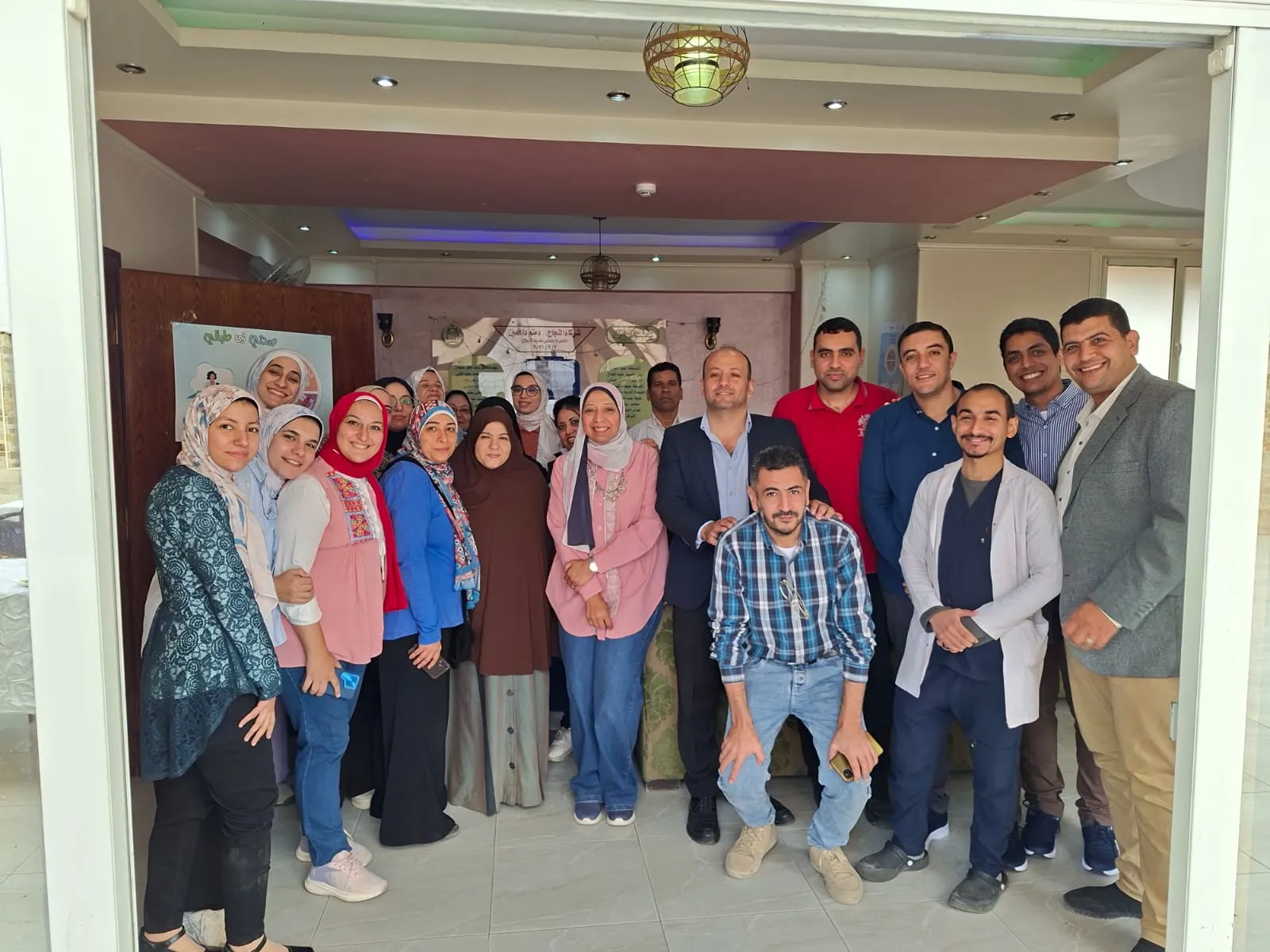
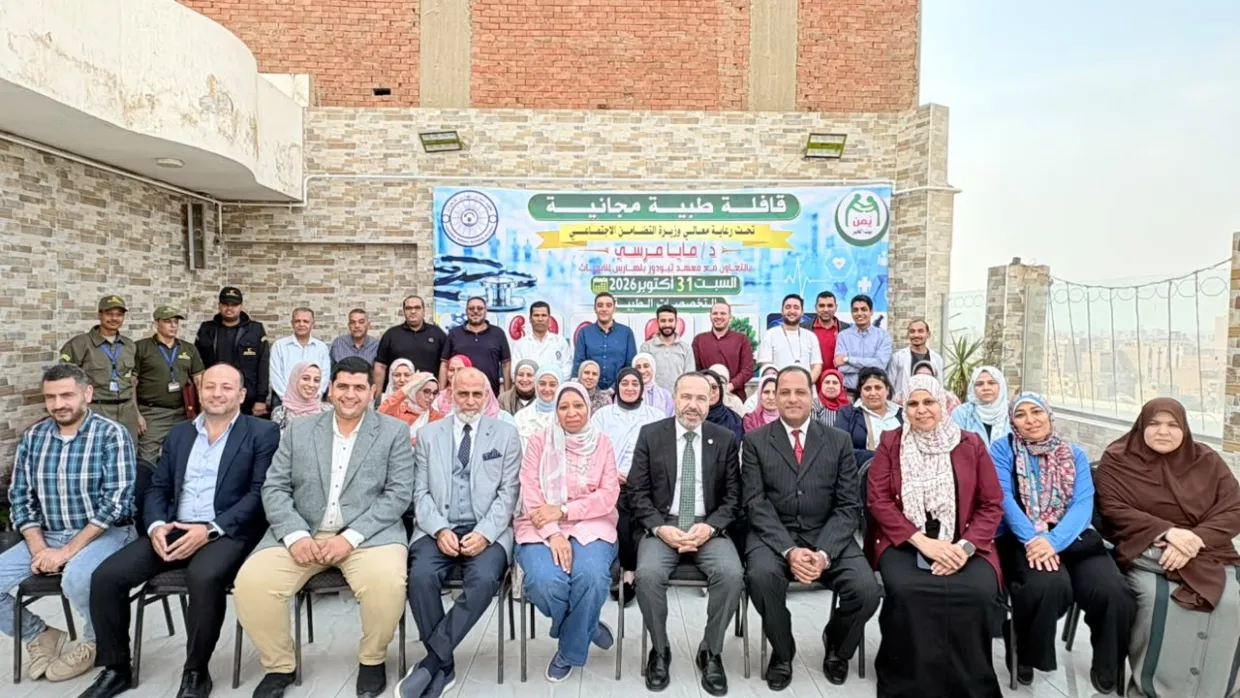
In fulfillment of its national and humanitarian role, and as an extension of its community service mission to promote public health and facilitate access to specialized medical services, Theodor Bilharz Research Institute (TBRI) organized a comprehensive free medical convoy under the patronage and in the presence of Prof. Dr. Ahmed Abdel Aziz, Acting Director of the Institute and Chairman of its Board of Directors, in cooperation with Yomn Foundation in Warraq. This initiative reflects the Institute’s commitment to harnessing its medical and scientific expertise and resources to serve the community, ease the healthcare burden on citizens, and enhance opportunities for early disease detection.
The medical convoy witnessed considerable turnout, with approximately 400 patients benefiting from its services. These included medical consultations across several specialties, preliminary laboratory tests, ultrasound examinations, as well as the provision of free medications and treatment. A number of patients requiring further medical attention were referred to the Institute’s Hospital, with the participation of Dr. Moshira Amer, Director of TBRI Hospital, to undergo the necessary examinations, receive treatment, and have any required surgical procedures. This enabled comprehensive assessment of their health conditions and identification of their specific treatment needs. The convoy also led to the early detection of emergency medical cases, thereby improving opportunities for timely intervention and reducing the risks associated with delayed diagnosis.
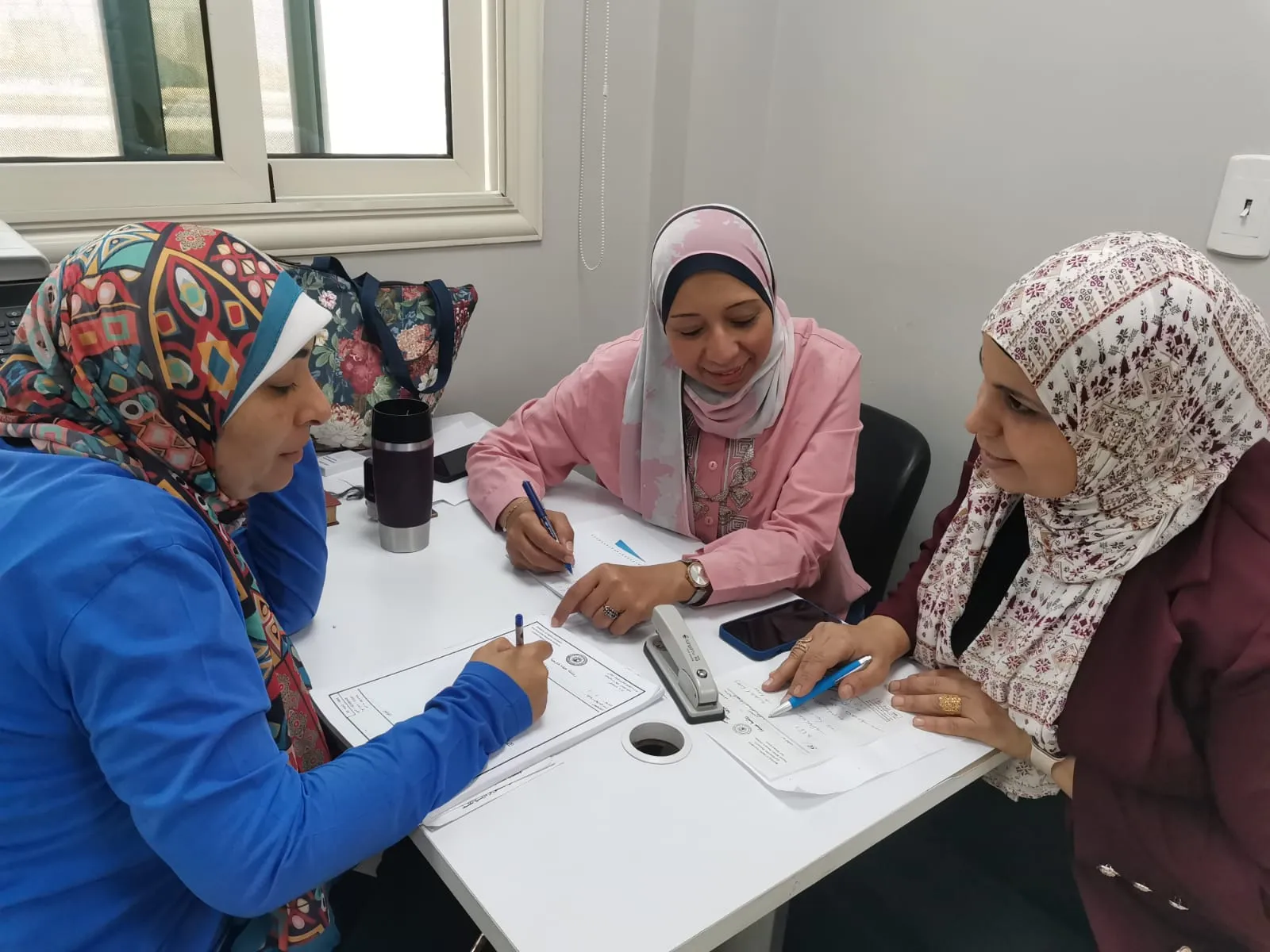
The medical convoy was organized through the Institute’s Community Service and Environmental Development Committee, headed by Dr. Eman El-Wakeel, Assistant Professor in the Department of Parasitology, with the participation of Dr. Shaimaa Attia, Assistant Professor in the Department of Immunology and Deputy Head of the Technical Office. This initiative forms part of the Institute’s ongoing efforts to strengthen its community engagement and promote cooperation with civil society organizations, thereby expanding access to its medical services and reaching a wider segment of the population.
The convoy brought together several medical specialties addressing key healthcare needs, including general surgery, urology, nephrology, hepatogastroenterology and clinical nutrition, in addition to radiology and laboratory services. This multidisciplinary approach enabled the provision of a wide range of integrated medical services through a free initiative designed to facilitate access to medical consultations and necessary examinations, while ensuring that patients were referred according to their individual healthcare needs.
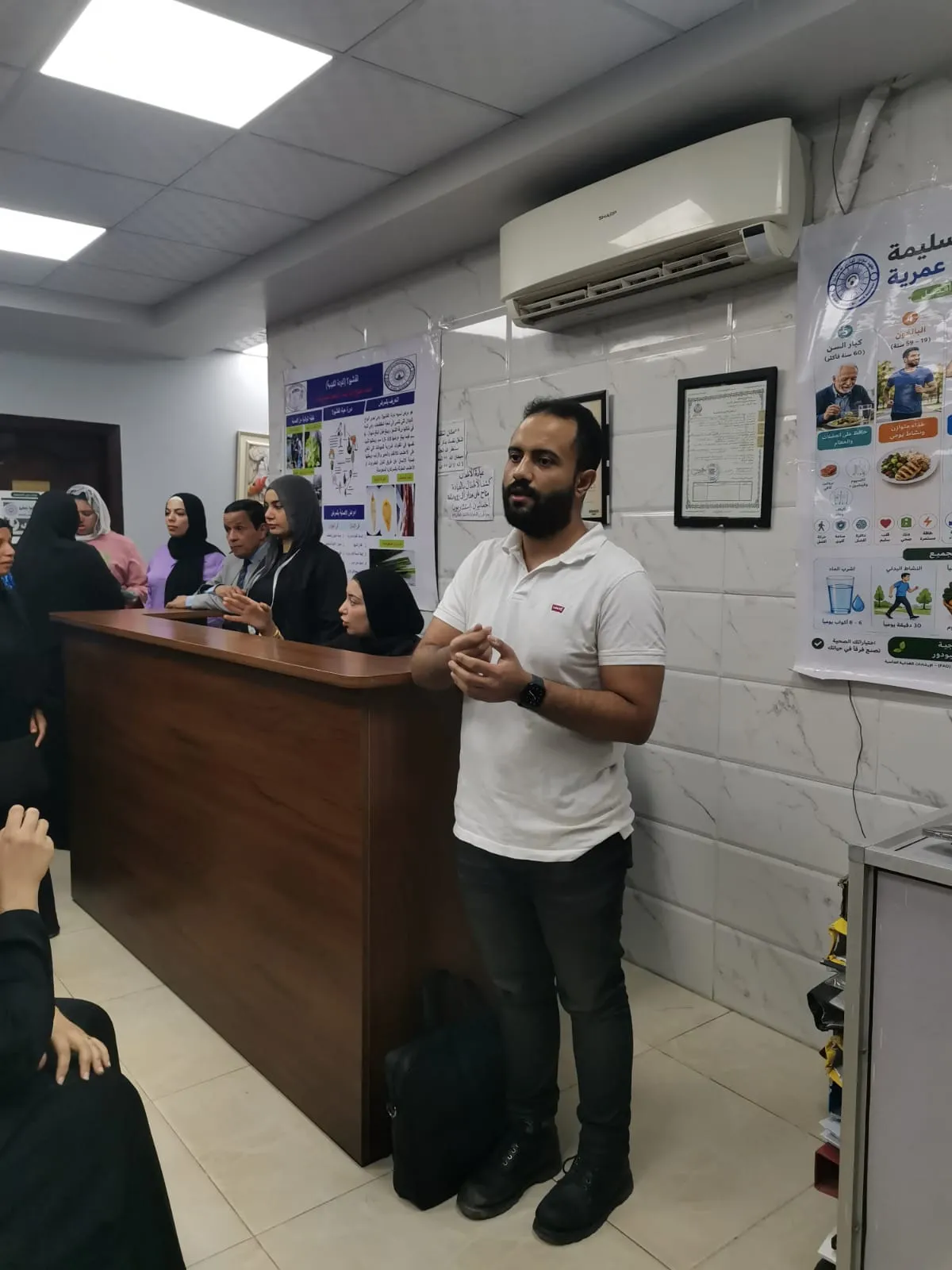
The convoy’s efforts extended beyond medical examinations and treatment to include health awareness activities and guidance on disease prevention and maintaining good health. Dr. Amina Ibrahim, Professor of Medical Malacology at the Institute, led the health awareness team, highlighting the importance of integrating medical care with health education as two fundamental pillars of disease prevention and the promotion of healthy practices.
This medical convoy represents an extension of Theodor Bilharz Research Institute’s approach to strengthening its community presence. The Institute’s role is not limited to scientific research and healthcare services provided within its hospital; it also extends to field-based initiatives that bring its medical and scientific expertise directly to citizens, identify their healthcare needs, contribute to early disease detection, and refer cases requiring specialized intervention to the relevant medical facilities.
For his part, Prof. Dr. Ahmed Abdel Aziz emphasized that medical convoys represent one of the practical avenues through which the Institute fulfills its social responsibility. He noted that the value of such initiatives goes beyond providing free medical consultations, examinations, and medications; they also bring healthcare services directly to citizens, facilitate access to medical care, and help identify cases in which delayed diagnosis could pose a serious risk to patients’ health.
He explained that the detection of emergency medical cases during the convoy and their referral for the necessary medical procedures, alongside the referral of other patients to the Institute’s Hospital for further treatment, underscore the vital importance of early detection and highlight the role that community health initiatives can play in ensuring timely medical intervention. He added that the Institute operates according to a vision that places human health at the heart of its efforts, seeking to harness its available medical and research capabilities to create a tangible impact on people's lives and strengthen integration among research institutions, healthcare providers, and civil society organizations.
Prof. Abdel Aziz also expressed his appreciation for the cooperation with Yomn Foundation in Warraq, describing partnerships between scientific institutions and community organizations as an important model for integrating roles and unifying efforts to bring healthcare services to the largest possible number of beneficiaries. He stressed the importance of sustaining and expanding such initiatives to support prevention and early detection efforts and foster a culture of social responsibility.
This medical convoy embodies Theodor Bilharz Research Institute’s mission of transforming scientific knowledge and medical expertise into direct services that benefit humanity. Early detection can change the course of a disease, timely intervention can make a real difference in a patient's life, and ensuring that healthcare reaches those who need it is at the very heart of social responsibility. Guided by this vision, the Institute continues to strengthen its medical and humanitarian role, firmly believing that safeguarding citizens’ health is not merely a service to be delivered, but a national mission that requires collective efforts and integrated roles to achieve better health for all.
Photo Gallery