

TBRI Strengthens Its Scientific Contributions to Cancer Control Through Distinguished Participation in the 4th International Cancer Conference “Diagnosis and Treatment” 2026
Written by: Mie Mohamed Reda
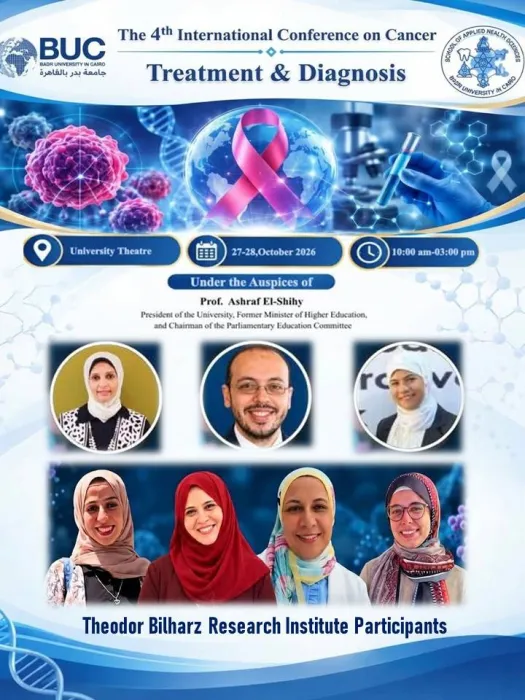
At a time when scientific research and medical innovation are becoming increasingly important in the fight against cancer, the integration of efforts among research and medical institutions is essential to developing more accurate and effective approaches to diagnosis and treatment, and translating scientific discoveries into practical applications that contribute to improving patients’ lives. In this context, and under the patronage of Prof. Dr. Ahmed Abdel Aziz, Acting Director of Theodor Bilharz Research Institute (TBRI) and Chairman of its Board of Directors, the Institute participated in the 4th International Annual Cancer Conference “Diagnosis and Treatment,” hosted by Badr University in Cairo on October 27–28, 2026, with the participation of a distinguished group of scientists, researchers, and specialists from Egypt and various countries around the world.
TBRI’s participation coincided with Breast Cancer Awareness Month, known as Pink October, and formed part of its ongoing efforts to promote applied scientific research, keep pace with rapid advances in oncology, and exchange expertise with scientific and medical institutions. These efforts support sustainable development goals aimed at advancing healthcare and improving the quality of medical services.
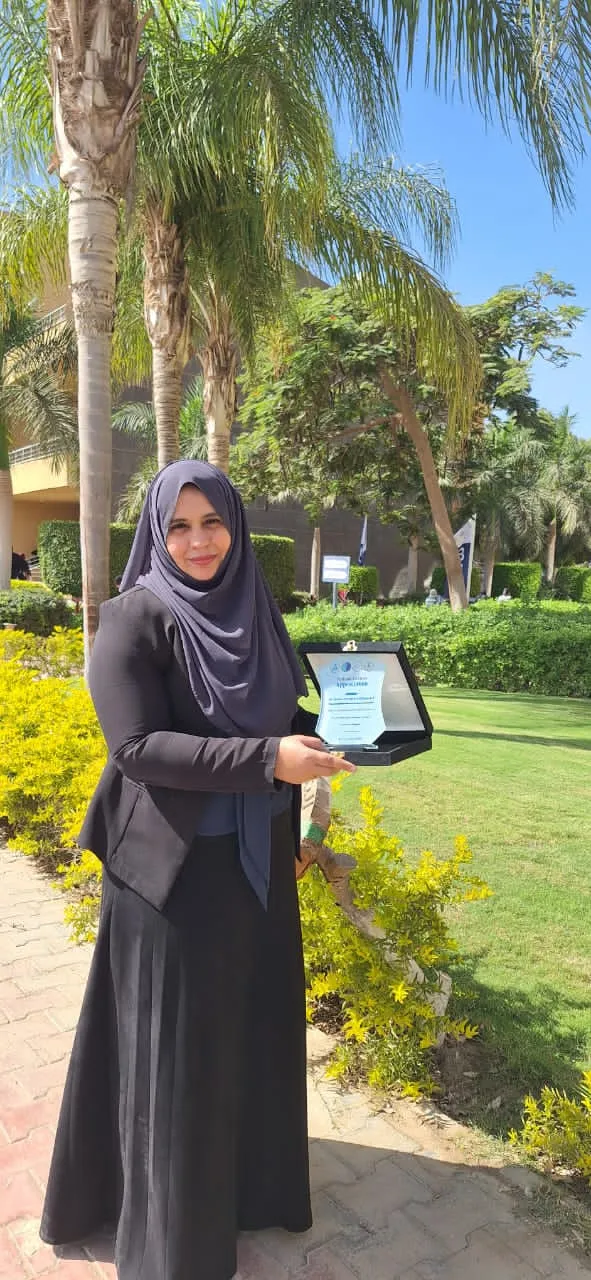
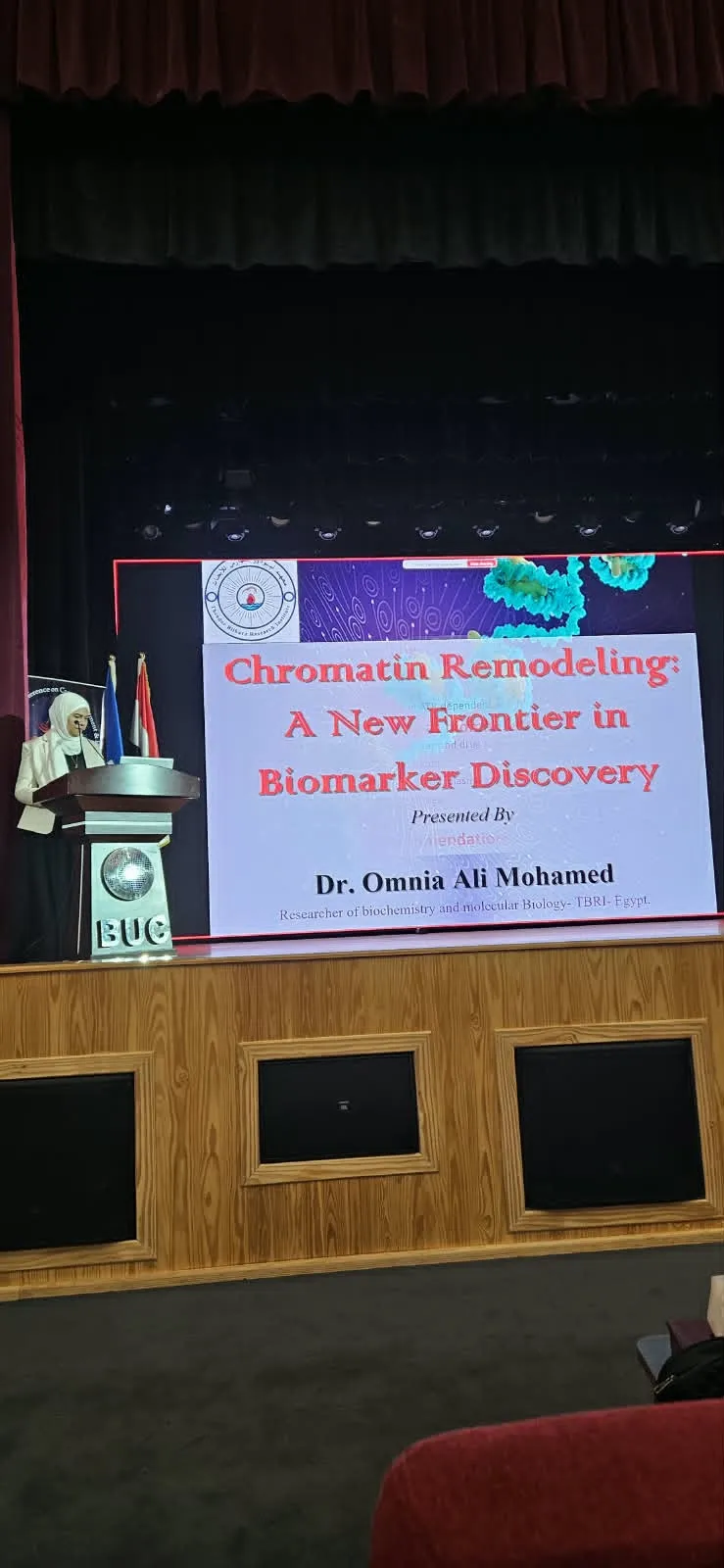
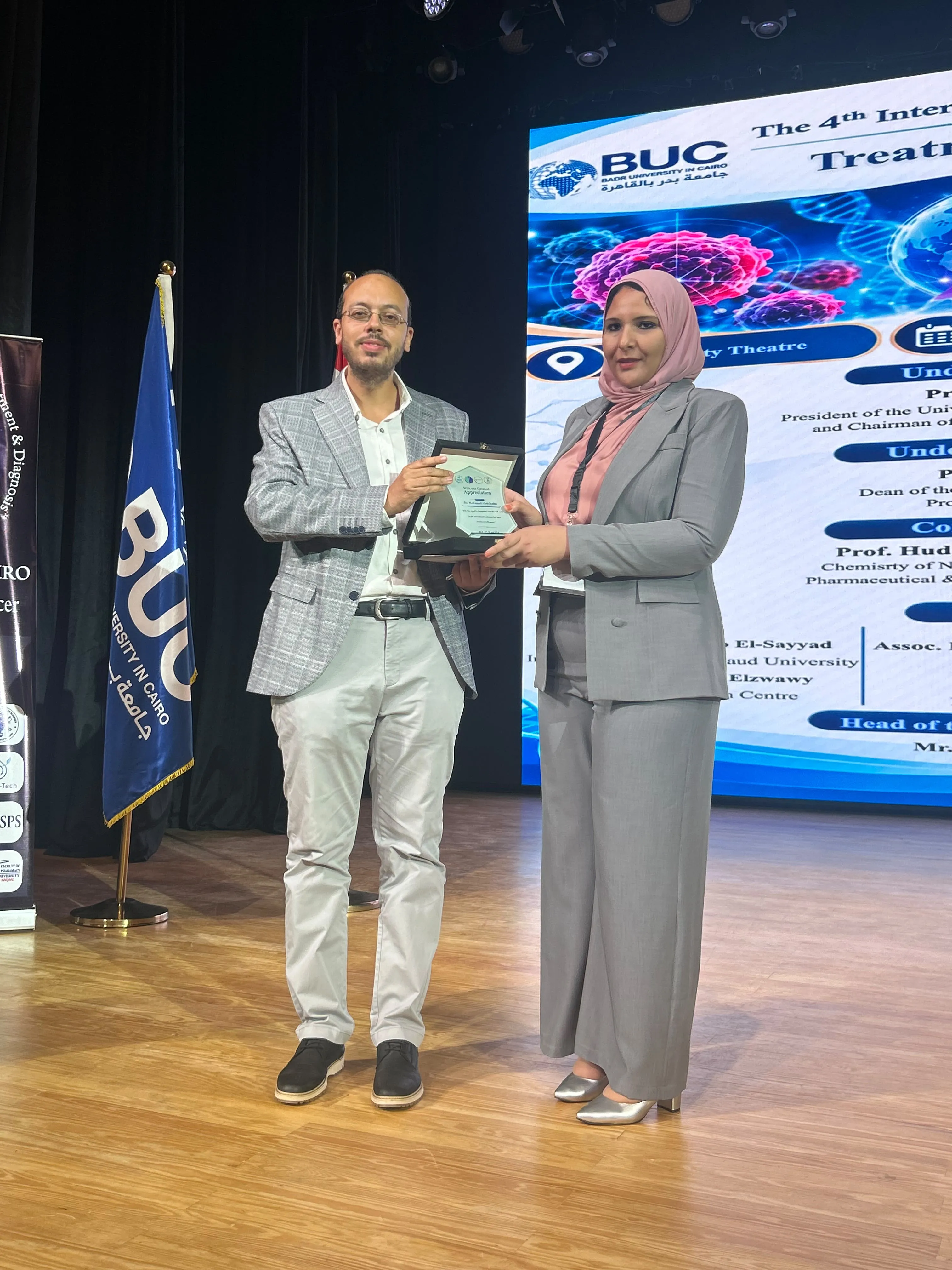
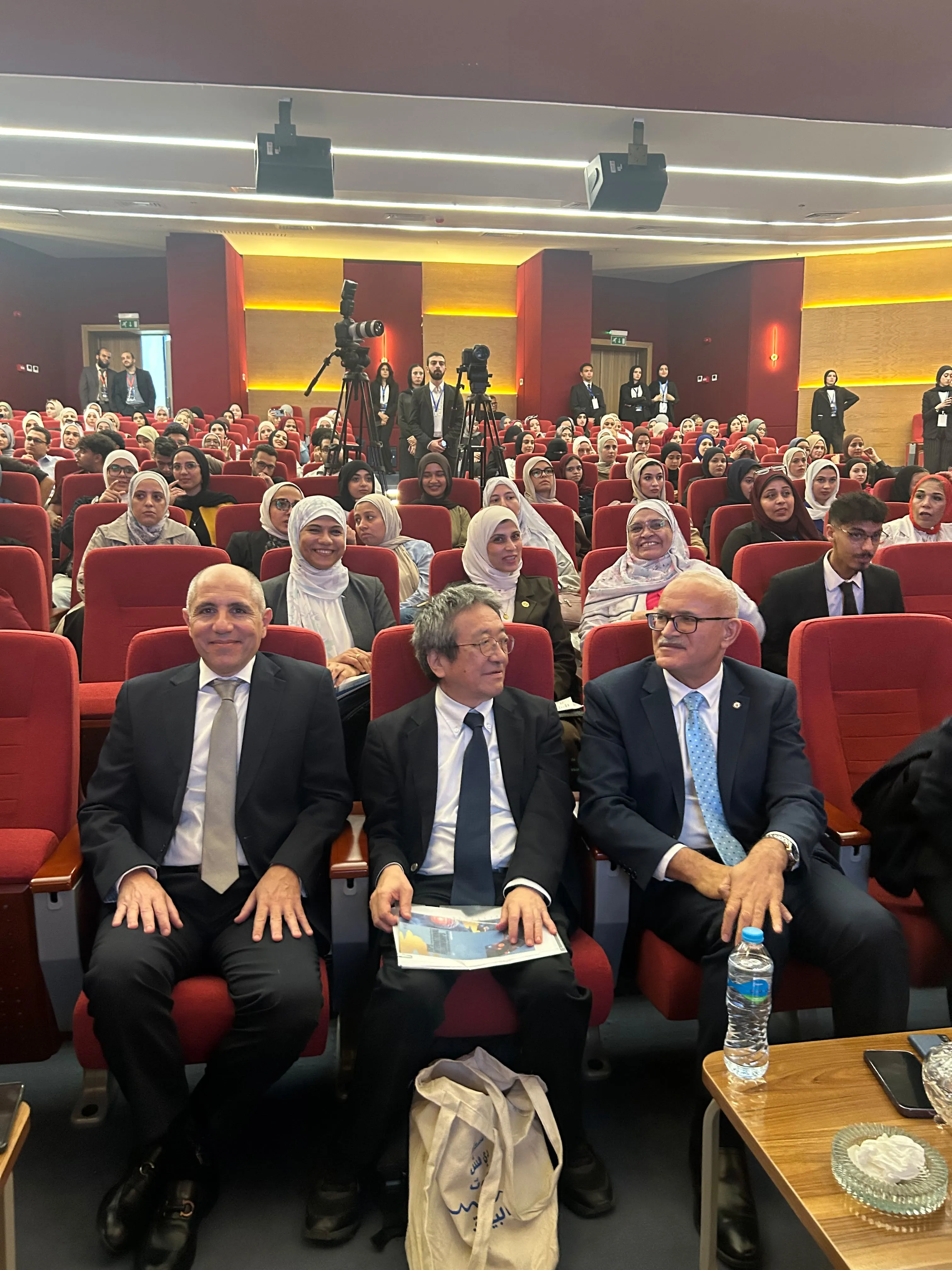
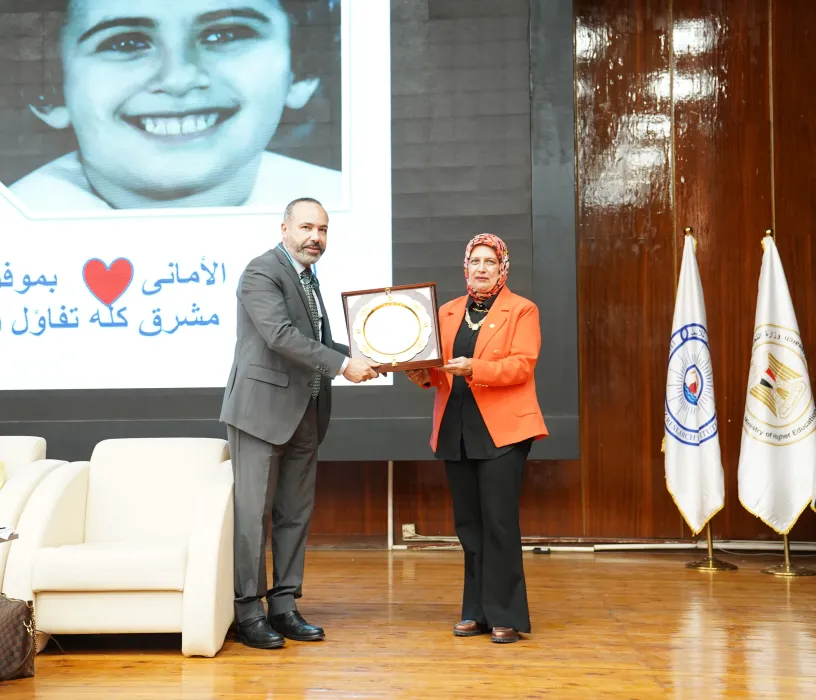
The Institute was represented at the conference’s opening ceremony by Prof. Dr. Omar Sabry, TBRI Secretary-General, on behalf of Prof. Dr. Ahmed Abdel Aziz, Acting Director of the Institute. TBRI researchers and scientific staff also made distinguished contributions through a series of scientific lectures addressing specialized topics spanning molecular biology, epidemiological studies, clinical nutrition, and surgery. These contributions reflected the diversity and complementary nature of the Institute’s research expertise in addressing cancer-related challenges. Among these contributions, Dr. Omnia Ali Mohamed, Researcher at the Department of Biochemistry and Molecular Biology, delivered a lecture entitled “Chromatin Remodeling: A New Frontier in Biomarker Discovery.” Her presentation explored chromatin remodeling as a promising avenue for biomarker discovery, supporting ongoing efforts to develop more accurate diagnostic tools.
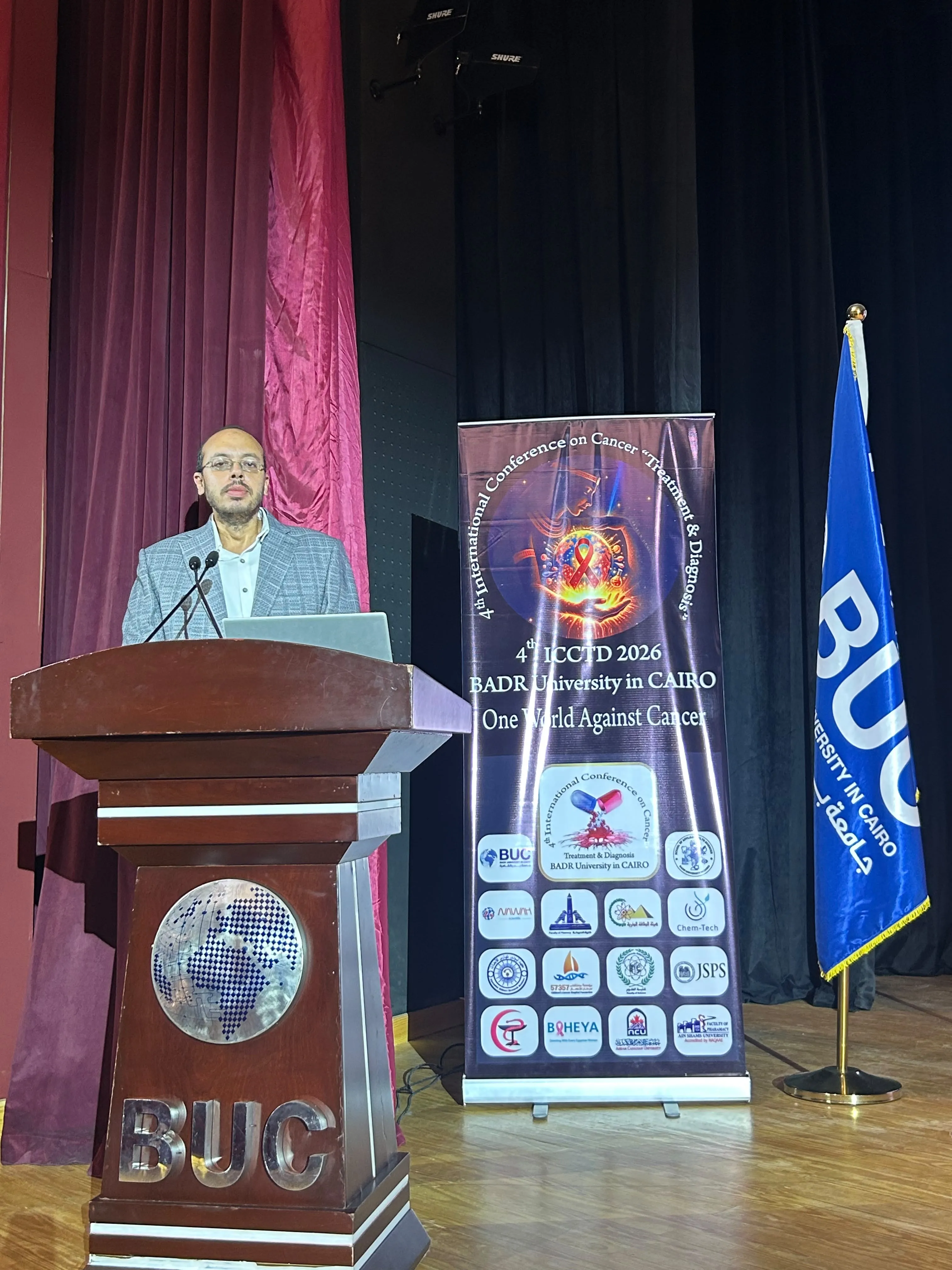
Dr. Hend Okasha Ahmed, Assistant Professor at the Department of Biochemistry and Molecular Biology, also delivered a lecture entitled “Epidemiological Incidence of Cryptosporidium Infection in Egypt: Molecular Species Identification and qPCR Quantification.” She discussed aspects of the epidemiological prevalence of Cryptosporidium infection in Egypt, including molecular identification of the parasite species and their quantification using quantitative polymerase chain reaction (qPCR). Meanwhile, Dr. Mohamed Abdel Halim, Researcher at the Department of General Surgery, presented a lecture entitled “Pancreaticoduodenectomy at TBRI: A Single-Center Experience.” He highlighted the Institute’s experience in performing pancreaticoduodenectomy, emphasizing the importance of specialized clinical expertise in advancing surgical practices related to pancreatic tumors.
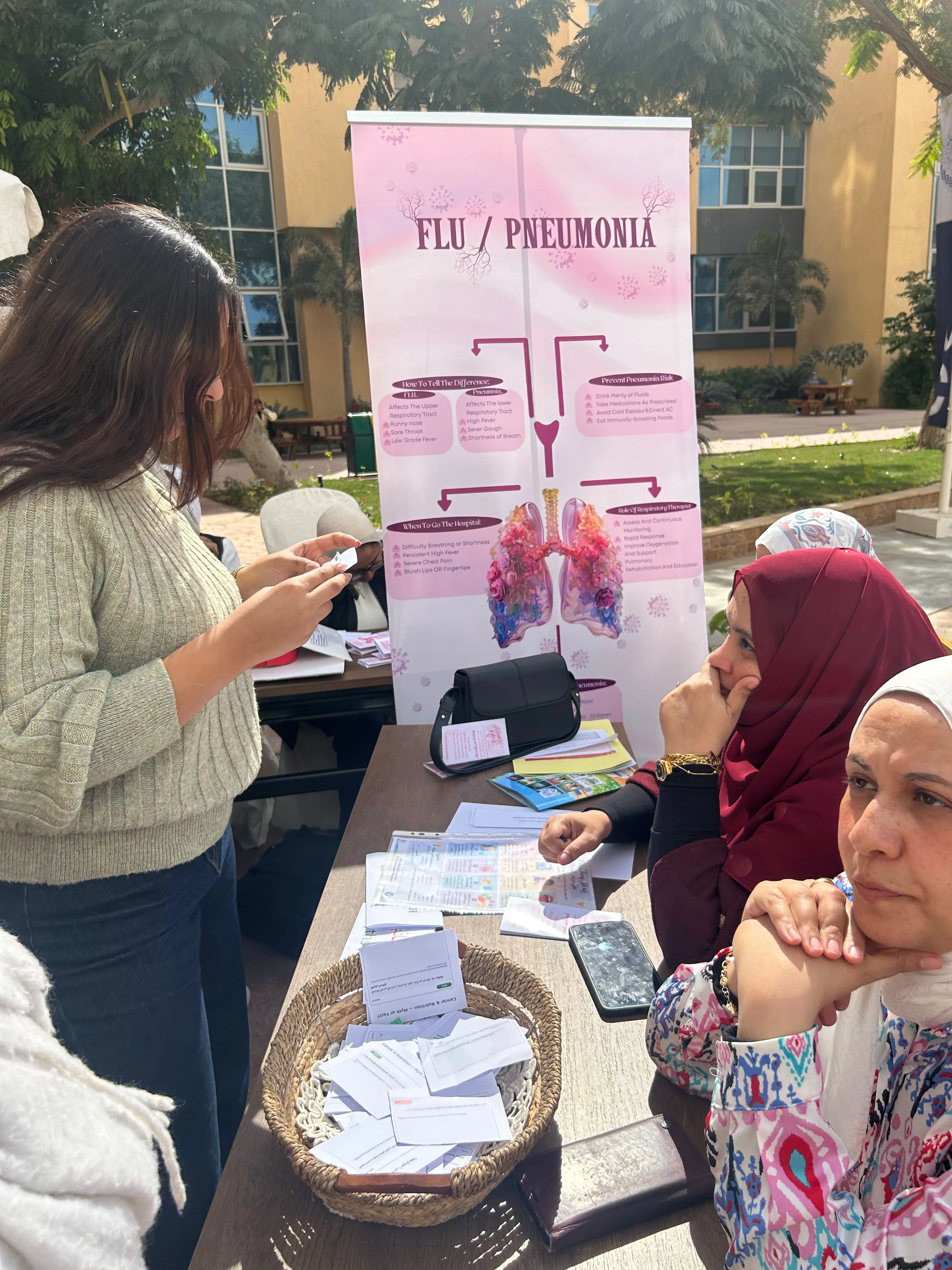
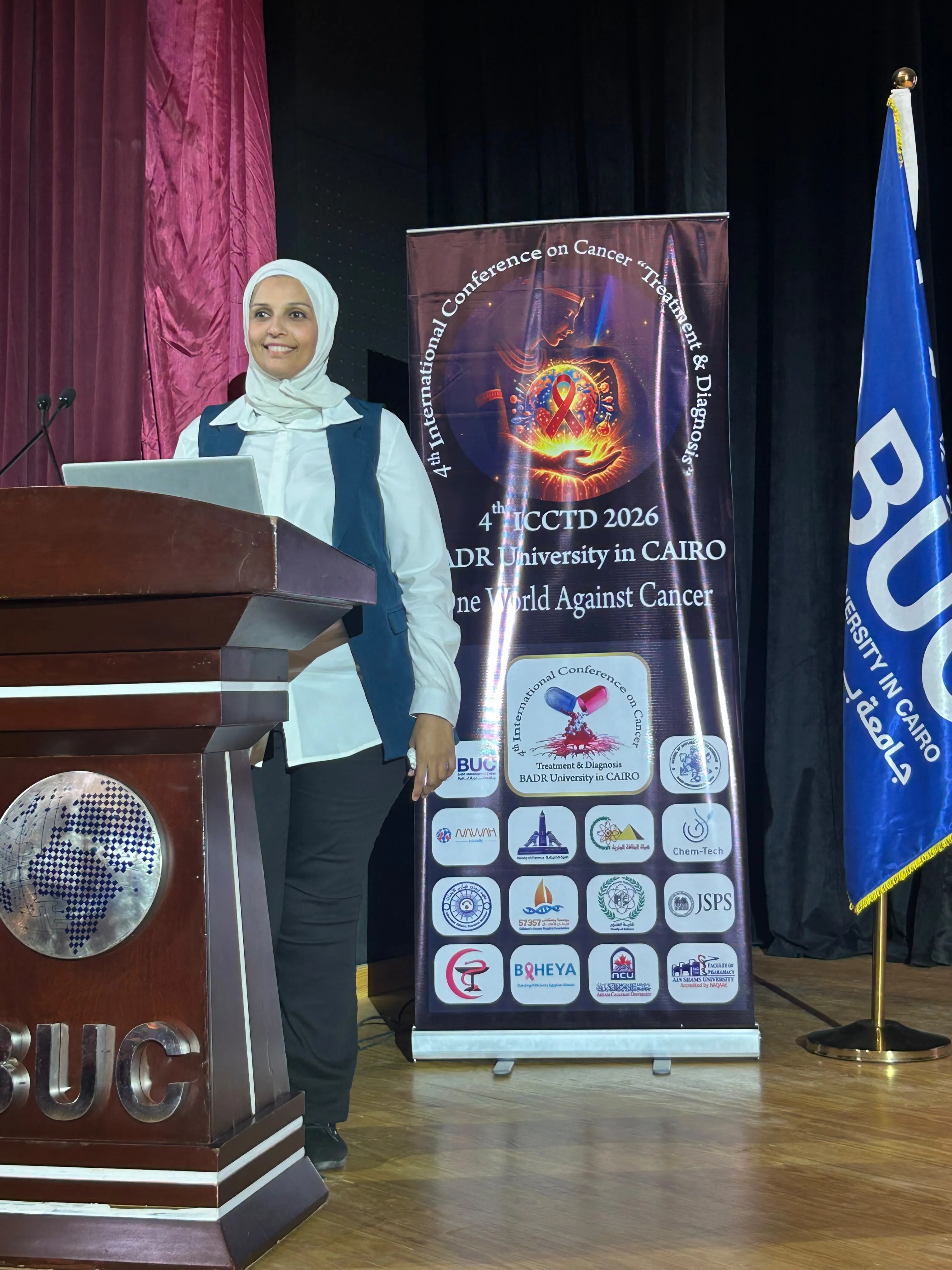
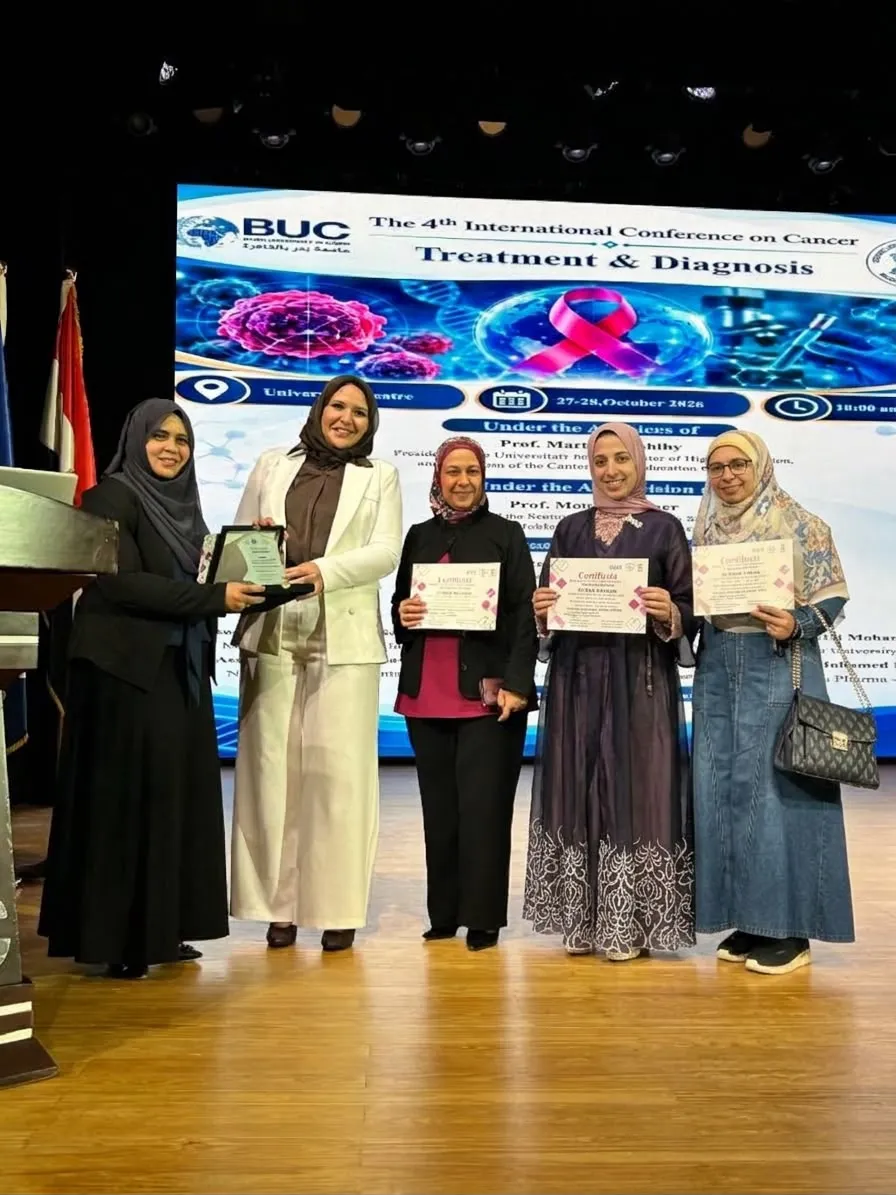
In the field of clinical nutrition, TBRI’s Clinical Nutrition Team, led by Dr. Marwa Abdel Ghany Mohamed, Assistant Researcher at the Department of Public Health, Deputy Supervisor of the Clinical Nutrition Unit participated alongside clinical nutrition specialists: Dr. Noha Mohamed, Consultant of Clinical Pathology and Immunology; Dr. Dina Eid Bishr, Specialist in Public Health and Epidemiology; and Dr. Menna Hegazy, Public Health Specialist. The team delivered specialized lectures and scientific consultations on the role of clinical nutrition in cancer care. Dr. Marwa Abdel Ghany also delivered a lecture entitled “Integrated Clinical Nutrition, Exercise Oncology, and the Deconstruction of Prevailing Nutritional Myths.” Her presentation addressed the integration of clinical nutrition and physical activity in cancer care, as well as the correction of common misconceptions about nutrition and cancer, highlighting the importance of adopting a comprehensive approach to supporting patients throughout their treatment journey.
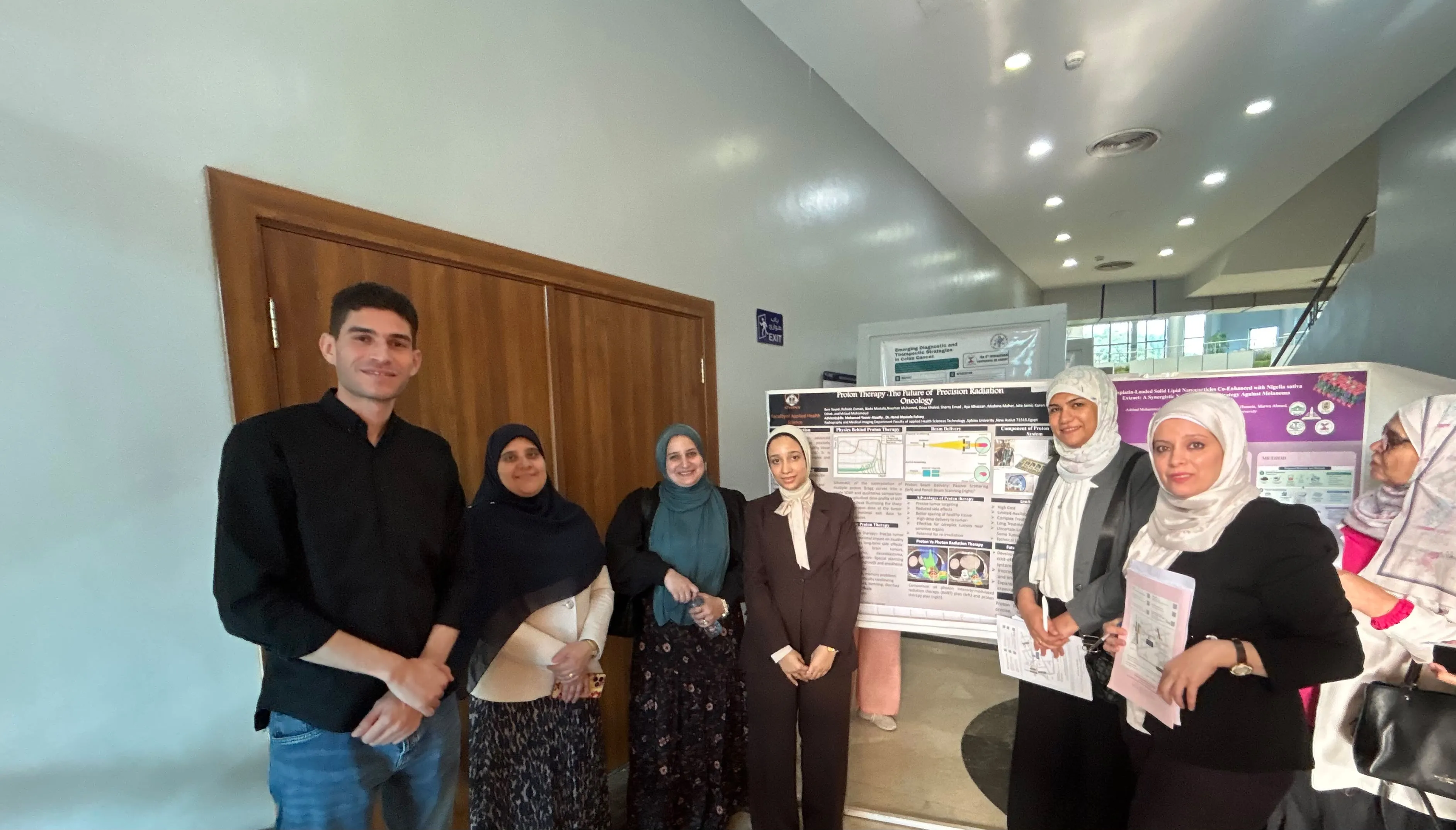
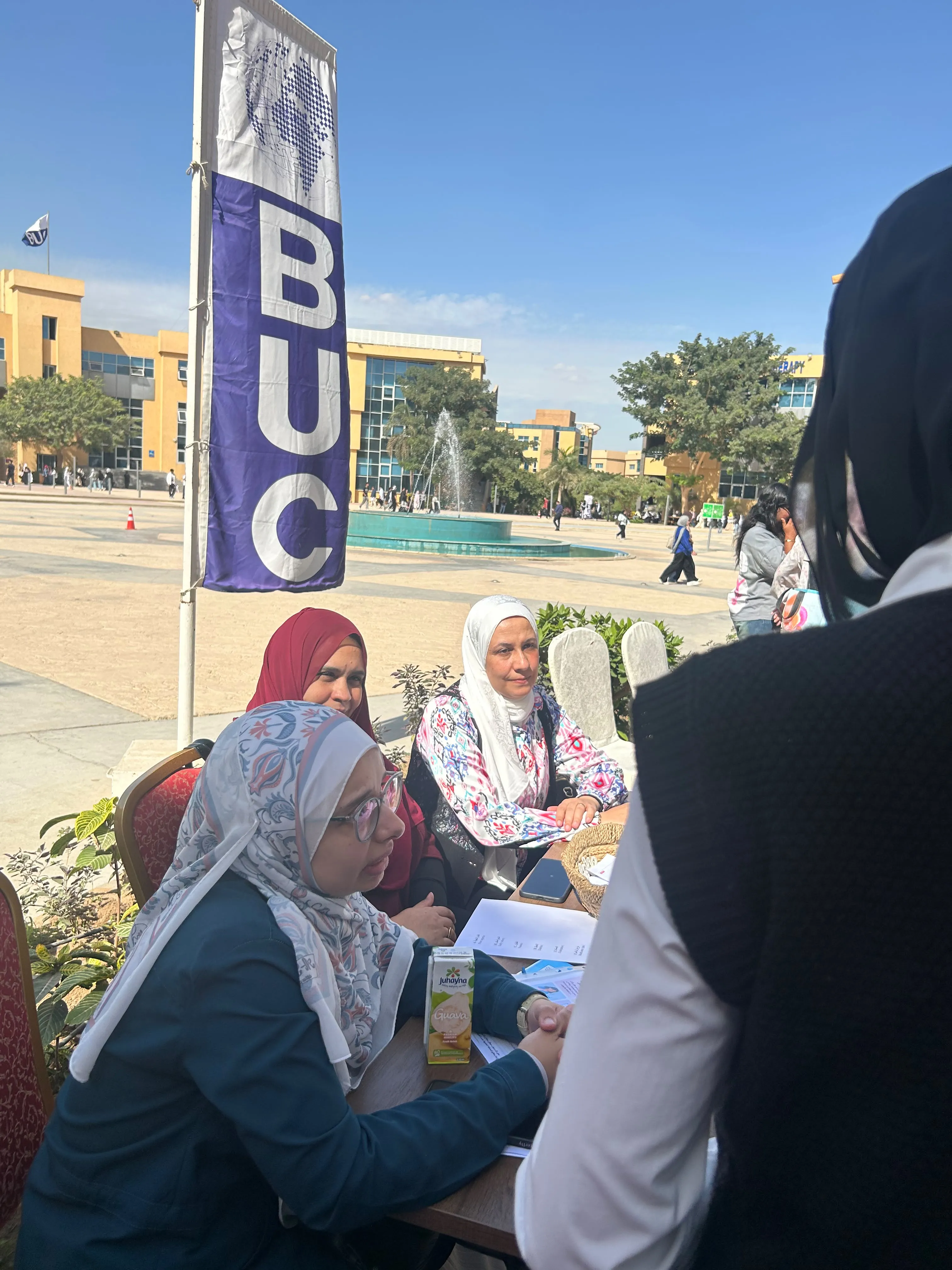
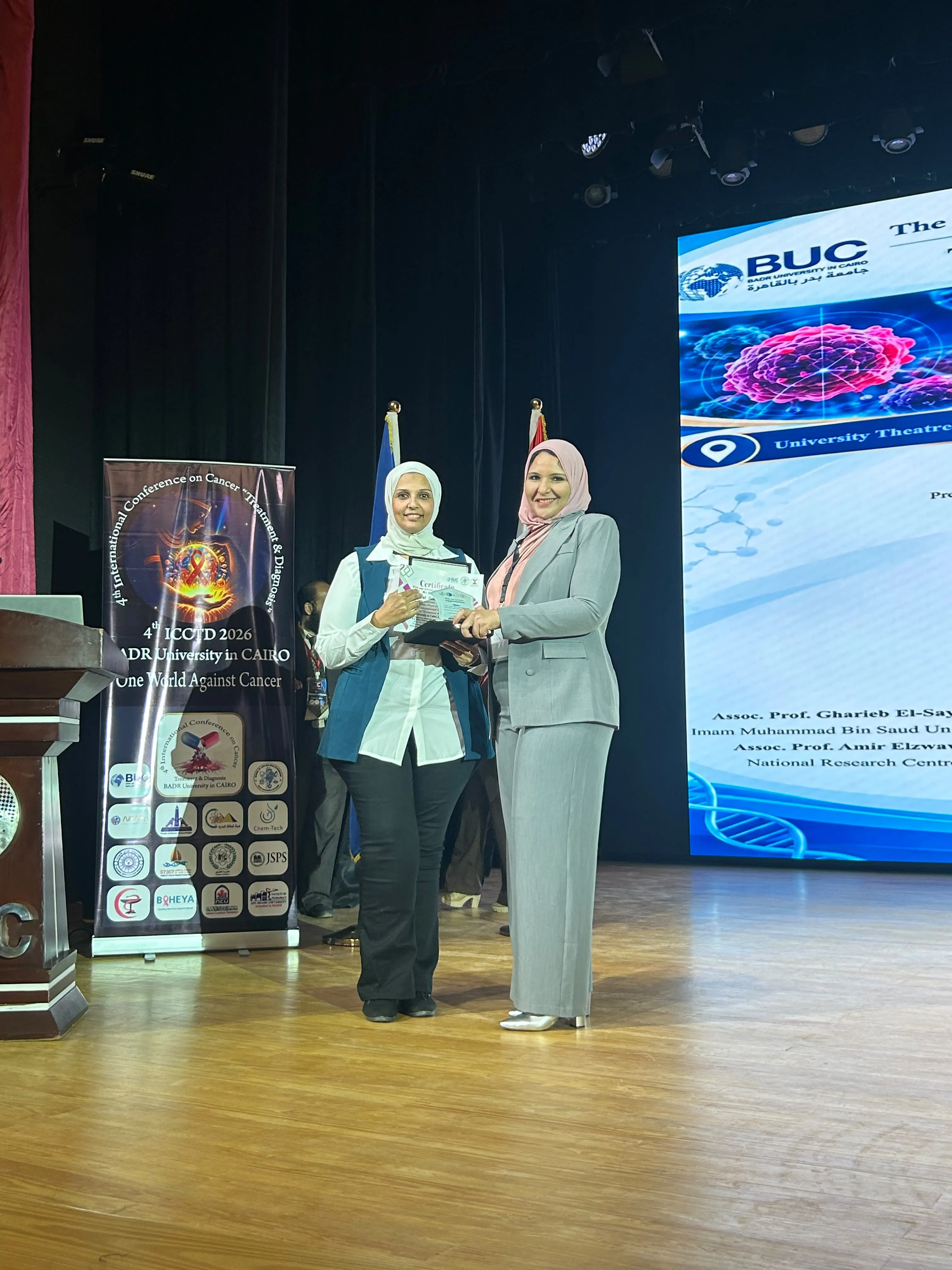
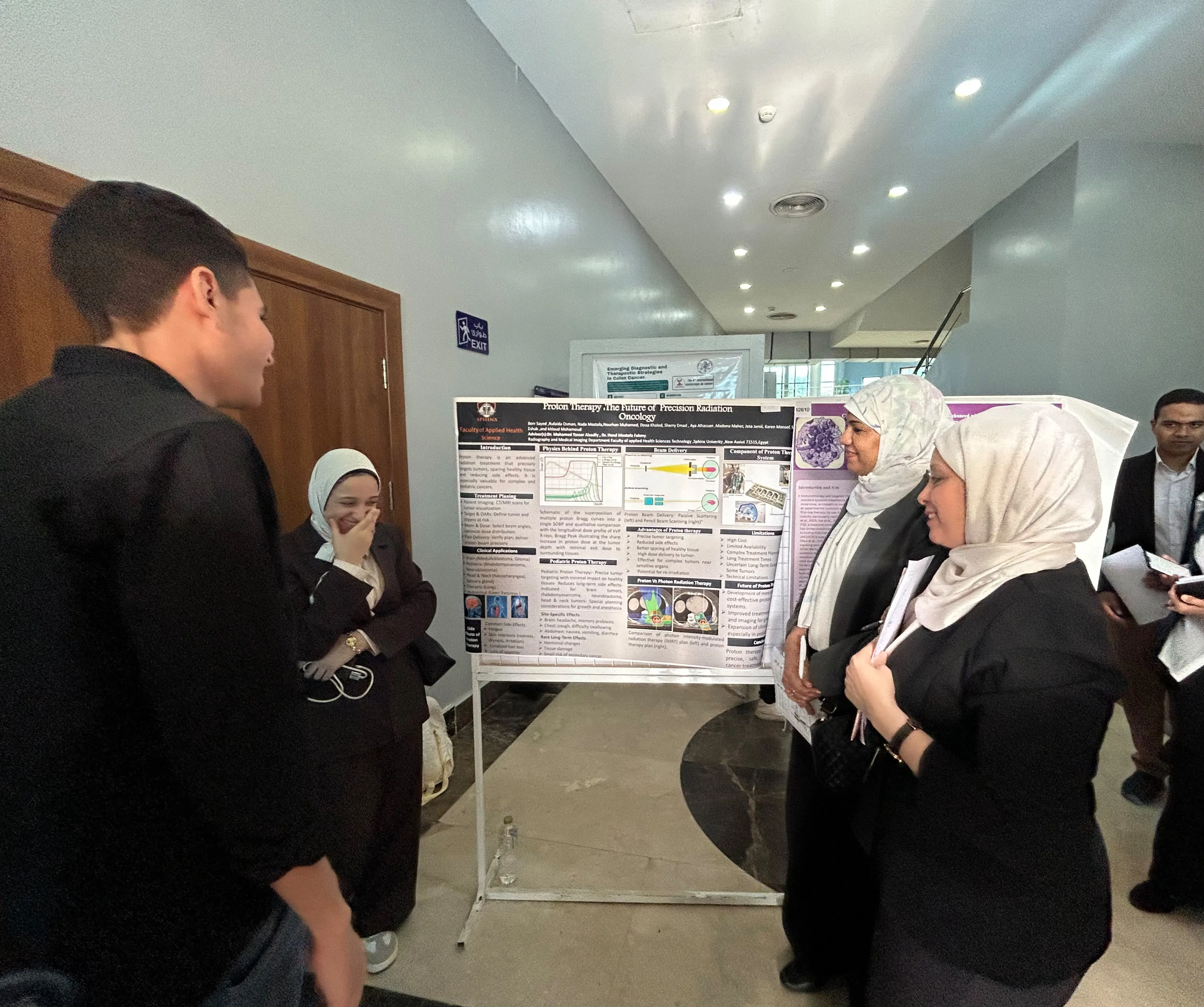
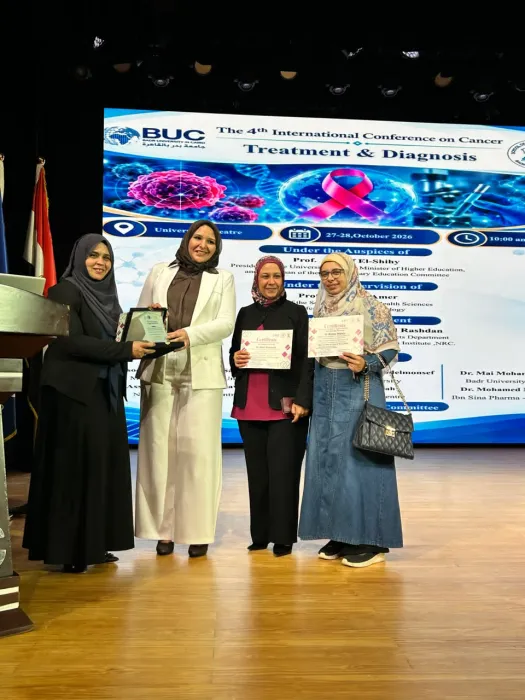
As part of efforts to promote research excellence and enhance the quality of scientific output, several members of TBRI’s Department of Biochemistry and Molecular Biology participated in evaluating the scientific posters presented at the conference. The participating researchers were Prof. Dr. Hanem Mohamed, Assistant Professor Safia Samir, Assistant Professor Hend Okasha, and Dr. Omnia Ali. Their participation reflected the recognition of TBRI researchers’ scientific and research expertise and highlighted their role in evaluating submitted studies, supporting fellow researchers, and encouraging the exchange of knowledge and innovative research ideas in oncology.
The conference sessions addressed a range of contemporary scientific themes, including cancer pharmacology, applications of green chemistry and nanoparticles, the use of artificial intelligence in radiological imaging and pathological diagnosis, molecular diagnostic techniques and liquid biopsy, as well as the role of clinical nutrition and mental health in supporting cancer patients. The conference also provided a valuable platform for exchanging expertise and discussing opportunities for collaboration among researchers and scientific and medical institutions across related disciplines.
In this regard, Prof. Dr. Ahmed Abdel Aziz emphasized the importance of TBRI’s active participation in specialized scientific conferences, considering them one of the key pillars supporting the advancement of the research system and strengthening communication among researchers and experts. He also highlighted that this participation reflects the Institute’s commitment to harnessing its research and clinical expertise to address priority health challenges, encouraging multidisciplinary collaboration, and contributing to the development of cancer diagnosis and treatment approaches, while maximizing the societal benefits of scientific research outcomes.
TBRI’s participation in this conference reaffirms its commitment to continuing its scientific and medical mission, strengthening the presence of its researchers at scientific forums, and supporting innovation and research collaboration. The fight against cancer extends beyond developing a new treatment or discovering a more accurate diagnostic tool; it requires building an integrated system in which scientific knowledge, medical expertise, and collaborative research work come together. This is how research findings can be transformed into genuine opportunities to improve patients’ lives, with science remaining one of the most important pathways of hope in confronting the disease.
Photo Gallery