

Theodore Bilharz Research Institute Implements the Program and Performance-Based Budgeting System Across Its Institutional Activities and Functions
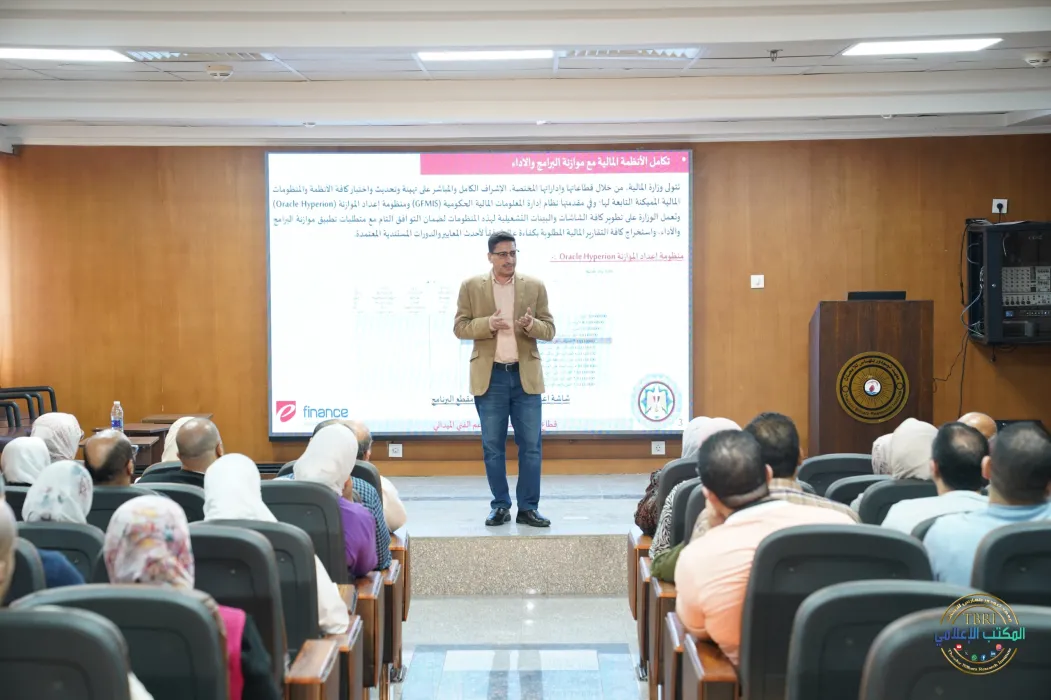
As part of Theodor Bilharz Research Institute’s ongoing efforts to develop its institutional management system and enhance the efficiency of financial and administrative planning, the Institute held a specialized workshop entitled "Programs and Performance Under Actual Implementation" under the patronage of Prof. Dr. Ahmed Abdel Aziz, Acting Director of the Institute and Chairman of its Board of Directors.
The workshop aimed to introduce the practical implementation mechanisms of the Program and Performance-Based Budgeting System and explore ways to utilize it in improving institutional performance by linking financial resources to institutional objectives and actual outcomes.
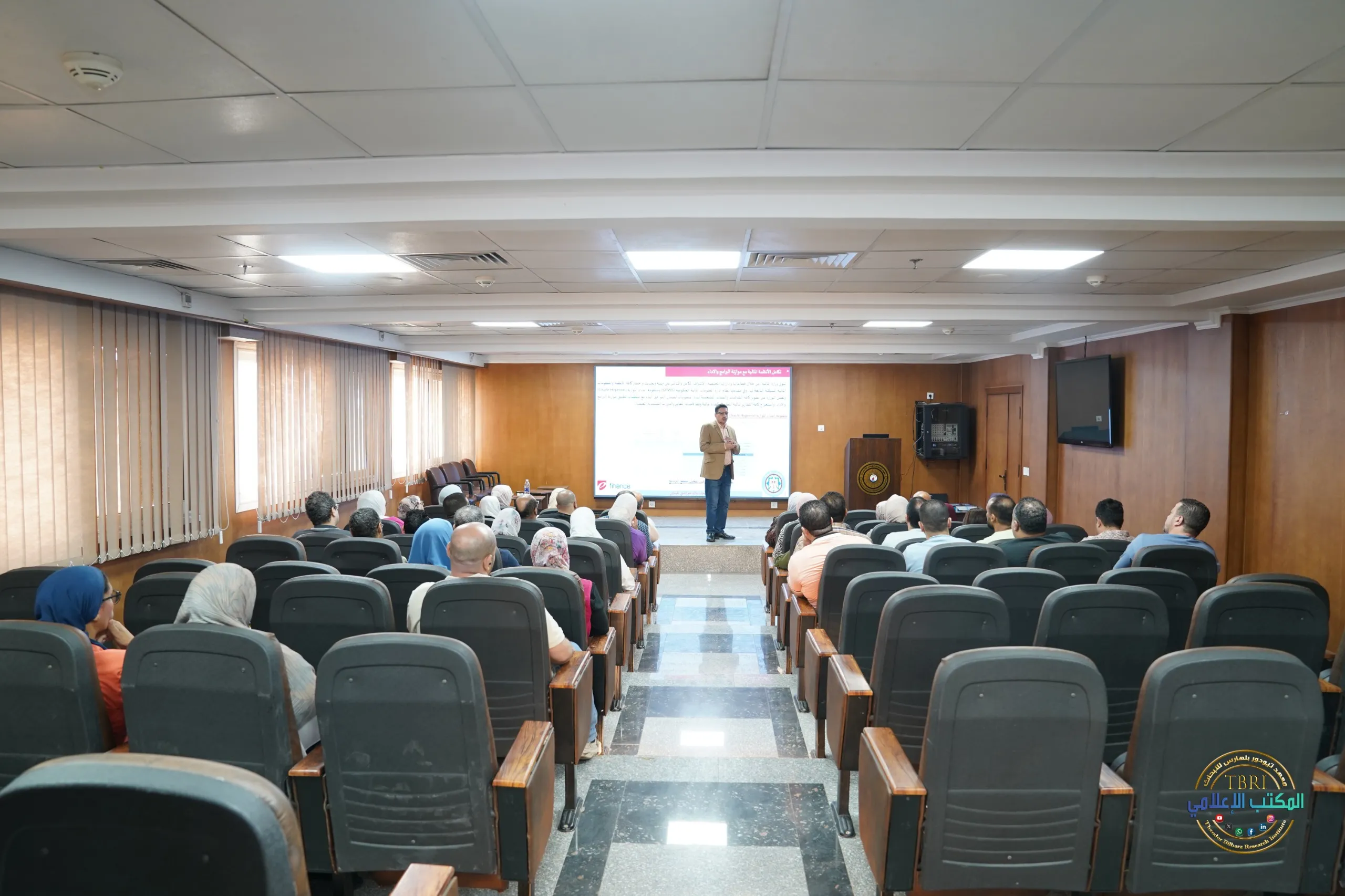
The workshop was attended by representatives of the relevant departments, including Planning, Budgeting, Procurement, Accounts, Entitlements, Internal Audit, Financial Affairs, Fee-Based Medical Services, and other related departments, in addition to representatives of the Technical Office responsible for monitoring performance indicators.
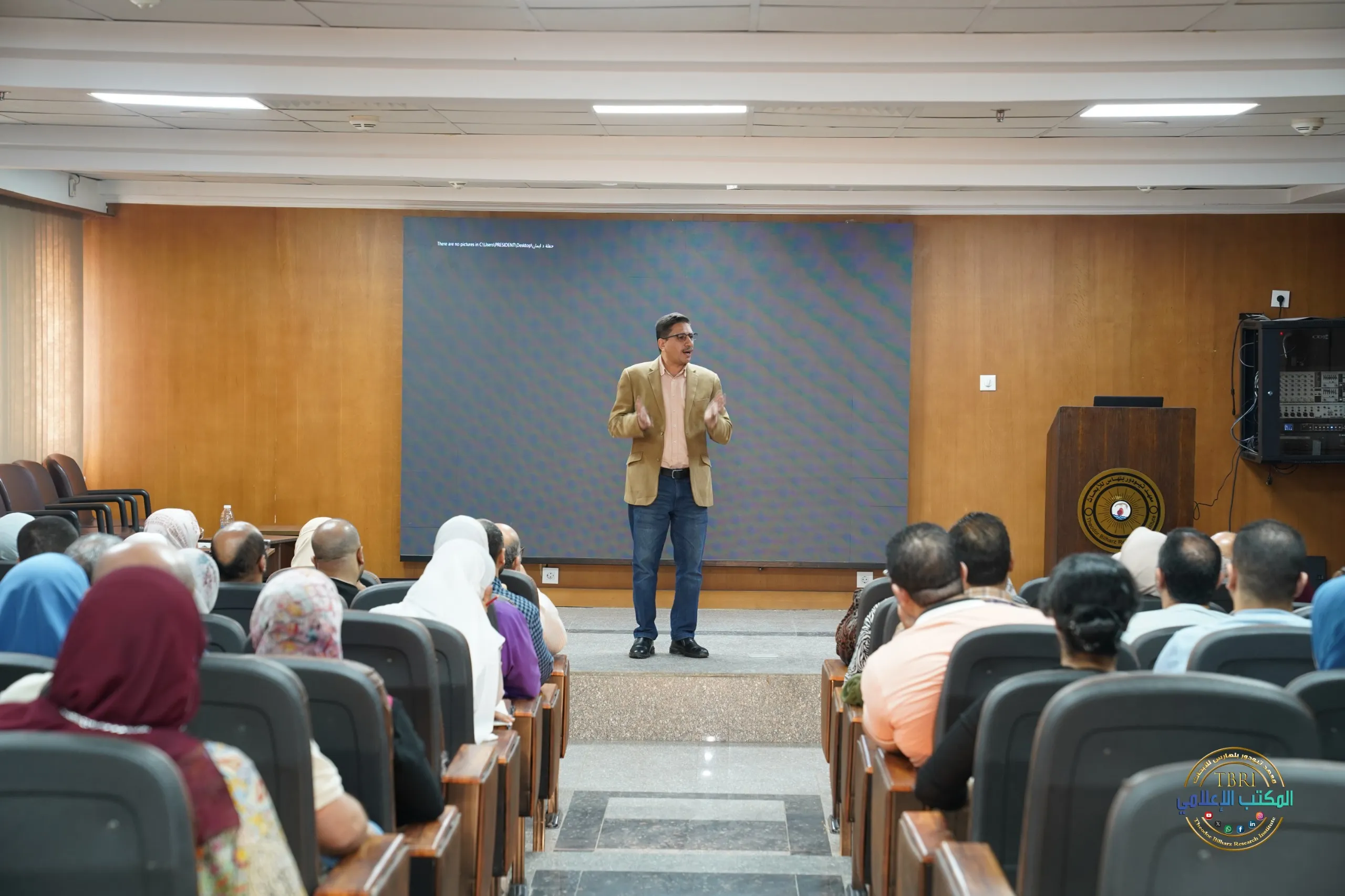
The workshop was delivered by Dr. Mohamed Maher Abdel Tawab, Director General of Research Evaluation and Classification at the Office of the Minister of Higher Education and Scientific Research. He reviewed the practical aspects of the Program and Performance-Based Budgeting System and the mechanisms for transitioning from the traditional budget, which is based on expenditure items, to a more comprehensive system linked to objectives, programs, and targeted outcomes. This approach enables monitoring implementation rates, measuring resource-use efficiency, and evaluating the impact achieved.
The lecturer also addressed mechanisms for developing the system’s operational interfaces and data to ensure compliance with the requirements of Program and Performance-Based Budgeting. He highlighted the system’s ability to generate the required financial reports efficiently, in accordance with approved standards and documentary procedures, in addition to explaining the practical steps involved in developing program structures and formulating performance indicators for research institutions.
An extensive practical exercise was conducted using Theodore Bilharz Research Institute as an applied model for research institutions. The steps involved in developing the Institute’s program structure were demonstrated in detail, through the reclassification of its institutional activities and functions into six main programs:Curative Medical Services, Preventive Medical Services,Environmental Improvement,Scientific Research and Innovation,Digital and Technological Transformation and Information Infrastructure, Institutional Performance and Legislation Supporting Sustainable Development.
The practical exercise also demonstrated how each main program could be translated into sub-programs and clearly defined operational activities, thereby establishing a direct link between the functions and objectives of each sector and its corresponding financial allocations.
In this context, Key Performance Indicators (KPIs) received particular attention during the practical session, as they represent the primary tools for measuring the achievement of objectives and targeted outcomes. Different categories of indicators were reviewed, beginning with input indicators, which measure available resources and capabilities, such as laboratory equipment costs and the number of researchers; followed by output indicators, which measure the direct results of activities, such as the number of internationally published research papers and services delivered; and finally, impact indicators, which reflect the added value and long-term outcomes, such as the extent to which research contributes to addressing national challenges, developing innovative applications, and registering patents.
For his part, Prof. Dr. Ahmed Abdel Aziz emphasized that implementing the Program and Performance-Based Budgeting System represents an important step toward developing institutional management and planning mechanisms and establishing a work system based on effective planning and continuous evaluation, supported by clear and measurable performance indicators.
He noted that this approach contributes to improving financial and administrative efficiency and ensuring the optimal utilization of available resources by linking financial allocations to specific programs and objectives and measuring the actual results achieved. He also stressed the importance of coordination and integration among the various concerned departments to ensure that resources are directed in accordance with the Institute’s strategic priorities and objectives.
Furthermore, he highlighted the role of this integrated approach in strengthening the Institute’s ability to monitor achievements, evaluate impact, and develop follow-up and oversight mechanisms, moving beyond simply measuring the volume of expenditure toward assessing the actual results and tangible impact of the medical, research, and administrative services provided by the Institute.
The workshop concluded by providing participants with a practical understanding of the requirements for implementing the system within the Institute and emphasizing the importance of integration among the departments responsible for financial, planning, and operational activities. This collaborative approach supports a unified institutional vision, improves operational efficiency, and strengthens the Institute’s ability to align its resources with its targets and measure the returns achieved through its various activities.
These efforts reflect the Institute’s institutional commitment to enhancing performance, improving the quality of its medical and research services, maximizing its role in serving the community, and supporting the national scientific research syste
Photo Gallery